Why your cat loves to kill birds (and how to stop it)
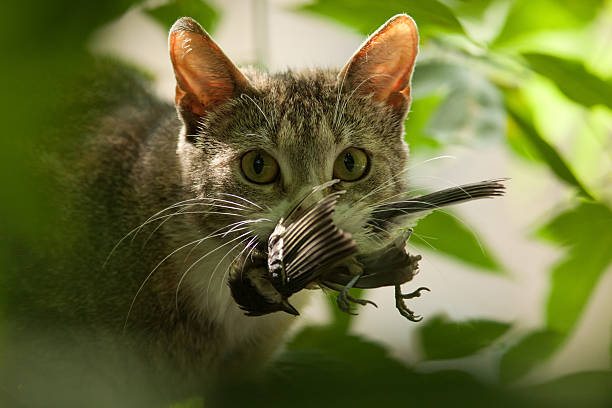
When
you think about pets, you probably picture a dog or a cat. But birds might not
be your first thought. Cats may seem like natural enemies of birds, but the
feline species can actually be quite gentle and playful! If your cat has a
tendency to kill birds, don't despair—there are plenty of ways that you can
help them stop their hunting habit once and for all. Here's everything you need
to know about why cats enjoy hunting birds so much and what you can do about
it:
The reason cat loves
to kill birds
Cats are carnivores, meaning they need to eat meat. In the wild, cats
hunt and kill small animals (like birds) as their primary source of food. The
instinctive desire to hunt is a very powerful force in cats—it's even stronger
than the urge to play with toys or sleep in your lap.
To understand why your cat kills birds, you
need to know about the mechanics of hunting and how it relates to cats' natural
behavior. Cats have evolved over thousands of years into efficient predators
who can take down prey much larger than themselves.
All felines share similar physical
characteristics that allow them to be effective hunters: sharp teeth and claws
designed for grasping prey, acute senses like sight and hearing so they can
detect their next meal from afar, flexible bodies that enable stalking
capability and stealthy movement through any environment (even when crouching
low or hiding behind objects), strong muscles for climbing trees or other high
perches where prey is most likely found.
So what happens when these instincts kick
into overdrive? If there aren't enough birds around for your cat's liking—or if
there are too many—he may resort to catching smaller rodents instead like mice
or rats which also happen live near humans often times making it easier for him
get his fill without leaving home too much!
1. Keep your cat
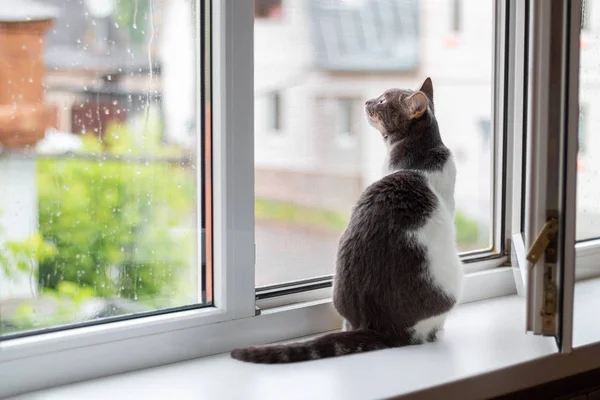
indoors. This is the best way to protect birds from being killed by cats.
The best way to protect birds from being
killed by cats is to keep your cat indoors. If you live in an area where it is
safe for your cat to be outside, consider using a harness and leash when you
need him to go outside (for example, if you have a fenced-in yard or he's been
trained as a seeing-eye animal).
Keep in mind that indoor cats are safer and
healthier than outdoor cats. They're less likely to be hit by cars or injured
by other animals; they won't contract diseases such as feline leukemia or
rabies; they won't eat foods contaminated with pesticides or chemicals found in
some pet shampoos; they'll never get fleas (or ticks), mites, worms or
ringworm; their chances of developing certain types of cancer are greatly
reduced; they'll be happier because they don't miss out on important aspects of
life like playing fetch with a tennis ball—and yes: your indoor cat will also
be much safer from predators like eagles and hawks who may swoop down while
your cat is enjoying the sunshine outdoors.
2. If you must let your
cat outdoors, keep them supervised. Make sure they are not left unsupervised
for long periods of time.
If you must let your cat outdoors, keep them
supervised. Make sure they are not left unsupervised for long periods of time.
Even if you don't see any birds around your home, there could be some in the
area.
If you do see birds in your yard, take steps
to keep them away from your cat. If you see birds on a wire or other object
outside your home, place something around the object so that it cannot be reached
by a cat or other animal.
You can also try using sonic bird repellents
to keep birds away from an area where there is no food available for them (such
as an empty lot).
Cats that are left unsupervised for long
periods of time can get into trouble. They may decide to attack other animals,
like birds and squirrels. It is best to keep your cat indoors so they can't
hurt any other animals.
You should also make sure that your cat has
plenty of toys to play with indoors so that they don't try to kill other animals
outside.
3. Spay or neuter
your cat. This will help reduce their hunting instincts.
Cats are natural hunters, and they love to
chase and kill birds. Male cats tend to be more aggressive than female cats,
but either gender can be prone to bird-killing behavior. If you have a cat that
is killing birds, spaying or neutering them will help curb their instinct to
hunt and kill other animals.
If you do not want to neuter your cat,
consider keeping them indoors or closely supervised outside. If you want them
outdoors, make sure there are no birds in the area of where they play. If you
have a bird feeder in your yard and your cat is killing birds around it,
consider putting up netting over the bird feeder so that your cat cannot reach
it while also allowing birds access to eat from it.
It's not just good for the birds,
either. Spaying or neutering your cat can also help them live longer, healthier
lives. Studies have shown that spayed and neutered cats are less likely to
contract certain diseases and infections. They're also less likely to get into
fights with other cats, which can lead to serious injuries.
4. Provide your cat
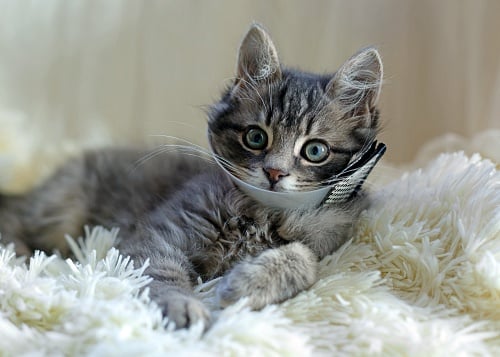
with plenty of toys and playtime. This will help keep their hunting instincts
in check.
To keep your cat's hunting instincts in
check, you should provide them with plenty of toys and playtime. Cats need to
be kept active, so toys are an essential part of their health and
well-being—and they can also help keep their hunting instincts in check. If you
don't currently have any toys for your cat, there are plenty of options on the
market that cater to cats' love of batting around things at high speeds (like
laser pointers).
If you're looking for a fun way to spend some
time with your feline friend but don't want to go overboard on the cost or effort
involved in buying a bunch of fancy new stuff every time they get bored with it
all (which they will), consider making homemade toys instead! There are lots of
online tutorials available if this sounds like something worth trying out; just
be sure never leave any sharp edges exposed while making these items so as not
harm anyone who might come near them later down the road when nobody's
watching!"
5. Train your cat
with positive reinforcement. Reward them when they exhibit good behavior, such
as not hunting birds.
Train your cat with positive reinforcement.
Reward them when they exhibit good behavior, such as not hunting birds.
Cats are natural hunters and they love to
hunt. If you have a bird feeder in your garden, you will probably see your cat
trying to catch the birds that come to feed there. You can stop this behavior
by training them with positive reinforcement.
Cats respond very well to rewards and
punishments, so it is important that you reward them when they exhibit good
behavior rather than punishing them for bad behavior. You should reward your
cat with food treats or by playing with them if they don’t kill any birds
during the day. By doing this, you will be teaching your cat that hunting is
not a good thing to do and that it only gets her into trouble!
Training your cat with positive reinforcement
is the best way to stop them from hunting birds and other small animals. You
can train a cat by rewarding them when they exhibit good behavior. For example,
if your cat does not go after a bird that flies by your window, reward them
with a treat or play with them for 15 minutes. This will encourage them to do
more of this behavior in the future.
Another way to stop this behavior is by not
letting your cat out at night. Keeping her indoors at night will reduce the
chances of her seeing any birds or other animals which she may want chase down
and kill!
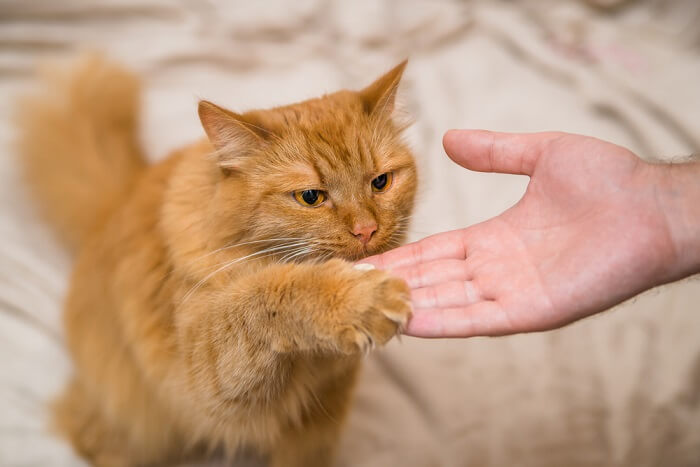
6. Be patient. It may
take some time for your cat to change their hunting ways, but with consistency
and patience, you can help stop them from killing birds.
Now that you know the reasons why your cat
loves to kill birds, it's time to take action. The first step is being patient
and consistent with your cat's training.
Patience is the key to success when it comes
to training your cat—you can't expect a change overnight! It will take some
time for them to learn new behaviors, so be patient and give them ample
opportunities for success in their new "bird-hunting" role (like
playing games or giving treats).
Remember, every cat is different and will
learn at their own pace. So, don't get discouraged if your cat doesn't seem to
be progressing as quickly as you'd like. Just keep at it and eventually, you'll
see the results you're looking for.
Takeaway:
The most important thing to keep in mind is
that training your cat takes time and patience. Don't give up on them if they
don't learn right away, but also don't let them get away with murder either.
Your cat will make mistakes when learning, so it's important not to punish them
for these errors. Instead of yelling at them or rubbing their nose in it
(literally or metaphorically), try redirecting their attention with a toy or
treat instead. And remember: consistency is key!
This is a difficult topic to talk about, but it’s important. The truth
is, cat lovers want their cats to be happy and healthy—and that includes not
killing birds. If you care about the well-being of your feline friend as much
as we do, we hope these tips can help keep them from hurting innocent birds in
the future.
Comments
Post a Comment