How to Keep Your Cat Out of Your Closet
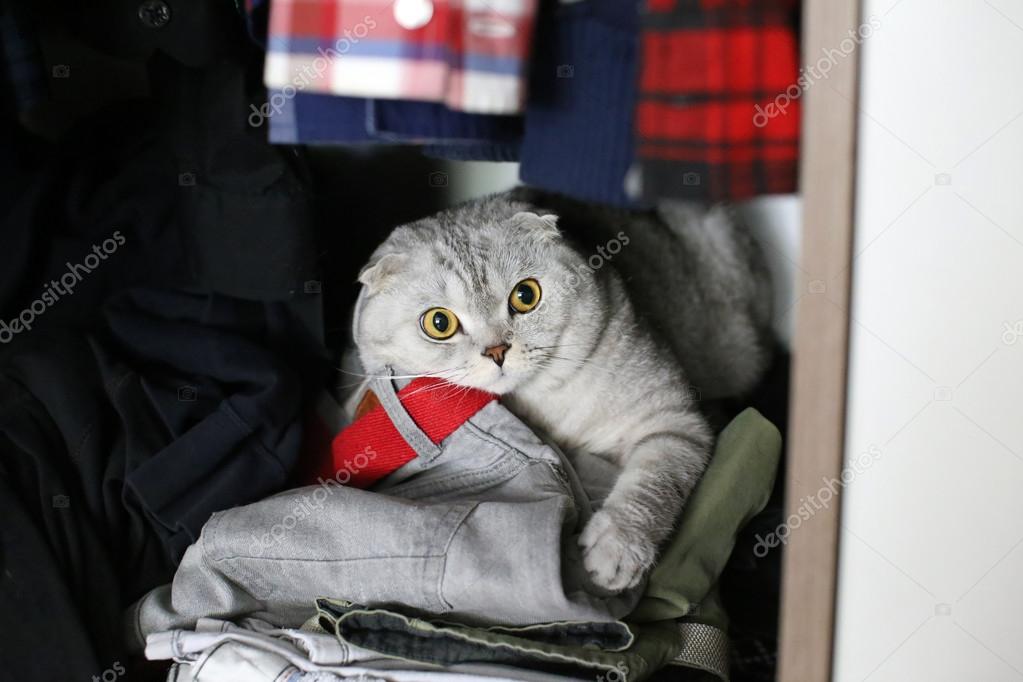
Cats are intelligent creatures, and there's a reason
why they're called "feline." Because of their intelligence and
curiosity, cats can often get themselves into trouble. If you have a cat that
likes to climb into closets and other spaces that aren't meant for them, then
read on! In this article, we'll discuss how you can keep your cat out of your
closet, as well as what steps you can take so they don't do it in the first
place.
The reasons why you want to keep your
cat out of your closet
If you have a cat,
you know how much they love to hide. They’ll disappear into the smallest of
spaces, finding comfort and safety in the dark. As a result, it makes sense
that they would want to be in your closet—which is also dark and has plenty of
space for them to move around.
If you have a
small home or apartment, then your closets are probably not the best place for
your cat to hang out—even if you want them there with you! You might be tempted
to let your cat explore these smaller spaces because it seems like an easy way
for them get away from loud noises or other pets in your home (like dogs). But
allowing this could lead to some serious issues later on down the line:
If you have a cat
that likes to hide in the closet, then there is a chance that they could get
stuck in there. This can be extremely dangerous for your pet if you’re not
around—especially if no one else knows about their love for hiding spots!
If your cat is
hiding in the closet, then they could get injured by a falling shelf or other
item that’s stored there. A cat that is scared can also lash out at other
people or animals, so this could be dangerous for them and others around them.
Basic steps you need to take in order
to keep your cat out of your closet.
·
Train your cat to
stay out of the closet. If you have a kitten that has never been in your closet
but is starting to explore, then it's time for training.
·
Keep all doors
closed after you are done using them. Don't let her get used to seeing an open
door as an invitation for her to come inside.
·
Make sure she
doesn't feel hungry or thirsty before she decides to go into your closet! Cats
will go looking for food and water when they need it, so make sure that she
isn't hungry or thirsty before opening up your cupboards (or closets).
·
Keep them busy
with toys and activities so that they don’t find their way into your closet!
Rather than just leaving them alone at times when they normally would be
getting into trouble while you are away from home, keep them busy with
something else so they won’t even see this as an option in the first place!
·
Make sure there
is no place inside where they can sleep comfortably—especially not near where
there might be any kind of food source like canned tuna or leftovers on plates
which could attract rats down into the basement floorboards below us which
would be dangerous if we ever tried cleaning up rodent droppings without
knowing about these pests beforehand because then we wouldn’t want our cats
eating any part of those dead rodents' bodies either since this would mean
risking disease transmission between species boundaries through oral contact
with fluids like saliva containing viruses etcetera--and thus also try keeping
everything handy away from both ourselves (as humans)
Advice on how to keep your cat
entertained while they are outside of the closet.
·
Play with your
cat. Cats love to play, and they have a lot of energy that needs to be
expended. You can keep them active by playing games with them and letting them
chase you or a laser pointer around the house.
·
Let your cat run
around outside. If you don't want to let your cat roam freely in the backyard,
at least give it a chance to stretch its legs by keeping an open door in your
garage during the day so they can go out there when they want to get some fresh
air.
·
Give them treats!
Treats are one of the best ways to make sure that your pet is well-behaved and
happy while they're in your closet—and if you give treats regularly, then it
will also help train them not to go into closets because there probably isn't
anything tasty inside (or else why would you do this?).
Tips on how to keep your cat from
climbing into your closet in the first place.
If you're
concerned about your cat's ability to jump up into the closet, there are
several things you can do to reduce the chances of it happening again:
·
Make sure your
cat has other things to do. Cats need toys and activity in order to stay active
and healthy. If they don't have any toys or places that they can play in, they
might try climbing up into the closet as a way to entertain themselves.
·
Keep them
well-fed and hydrated. Cats like food! And water! Keeping their tummy full will
help prevent them from searching for more food inside closets, which could lead
them right back into yours if it's too tempting an option for their animal
instinct (and sense of smell). After all, how exciting would it be for our own
sense of smell if we could smell what everyone else was eating without actually
having any access?
·
Make sure there
are enough spots available where cats can sleep or rest comfortably throughout
the house—not just near entrances where people enter rooms but also upstairs if
necessary! There should be plenty of space available so no one feels cramped
within their own home; this includes keeping cabinets closed when not using
them so there aren't any extra hiding spots close by when needed most urgently!
You can't change what cats naturally
like, but you can keep them out of places they shouldn't be.
You can't change
what cats naturally like, but you can keep them out of places they shouldn't
be. The following are some tips for keeping your cat out of your closet:
·
Install a
doorstop on the door of your closet. This is a small piece of wood that will
jam against the track and prevent it from opening more than an inch or two. It
won't get in the way when you actually open the doors, but it will prevent cats
from sneaking in.
·
Block off any
holes in your walls where they might gain access to hidden areas within your
home. Cats love exploring tiny holes and crevices that aren't normally
accessible by humans, so keep an eye out for them when doing renovations or
repairs around the house!
·
Use vinegar as a
deterrent spray on all surfaces where there's potential for mischief; vinegar
is both smelly enough to deter most house pests (including sneaky kitties) and
safe enough for use around people and pets alike!
Conclusion
Now that you know
how to keep your cat from getting into your closet, it’s time to get started.
The first step is finding an alternative for when your cat wants to scratch or
climb on something. You can try a scratching post or vertical scratcher with different
textures and surfaces that will appeal to their natural instincts. Another
option is placing them in a room where they have access to their toys and other
belongings so they won't feel left out of the fun happening around them!
Comments
Post a Comment