What Your Dog's Fur Is Trying to Tell
You
Have
you ever wondered what your dog's fur is trying to tell you? It's true that
dogs have a language all their own, and it can be hard to interpret.
Fortunately, there are some things you can learn from your dog's coat that can
tell you a lot about their health and lifestyle. So if the next time your furry
friend rolls over on his back or stretches out on the couch, take note!
Here are some common changes in fur that
could mean something significant:
If a dog has thinning fur, his immune system could be compromised.
You might notice that your dog's fur is
feeling a little thinner than normal. This can be alarming, but it doesn't
necessarily mean that there's something wrong with your dog. If the issue
persists, however, it's worth having him checked out by a vet.
Your dog's fur protects him from the elements
and keeps him warm in winter months. It also provides protection against fleas
and ticks—and if he doesn't have enough of it, those parasites will have an
easier time finding their way onto his body.
If your dog's fur is thinning, it could
be that he has an infection or parasites. If you notice that your dog's fur is
falling out all over, it may be time to talk to the vet. They'll be able to
tell you whether the problem is caused by external factors (like fleas), or
something more serious like a compromised immune system.
If your dog has an infection, there are
several different types of medications available for treatment. A vet will
prescribe antibiotics and/or steroids depending on what type of infection they
think your pet might have. This medication can help restore the health of their
skin and fur so that they look better than ever!
A change in fur color could mean an imbalance of hormones.
The color of your dog's fur is not just a
matter of aesthetics. It can also tell you about his health, so it's important
to be able to recognize and interpret changes in your dog's coat color.
It's common knowledge that dogs can get gray
hair as they age, but did you know that they don't just get gray hair? Dogs
have many different types of hair, and it can all change based on their hormone
levels.
If your dog's fur is changing
colors—from light to dark, or from brown to black—there's a chance that their
hormone levels are out of whack.
A change in fur color could mean an imbalance
in hormones, which can affect pigmentation (the production of melanin) in the
skin. In addition to age-related coloring changes, stress or illness can cause
pigment changes as well. The coat color may be affected by a variety of factors
including genetics and environment; however, these changes are usually
temporary (although they might not return to their original hue).
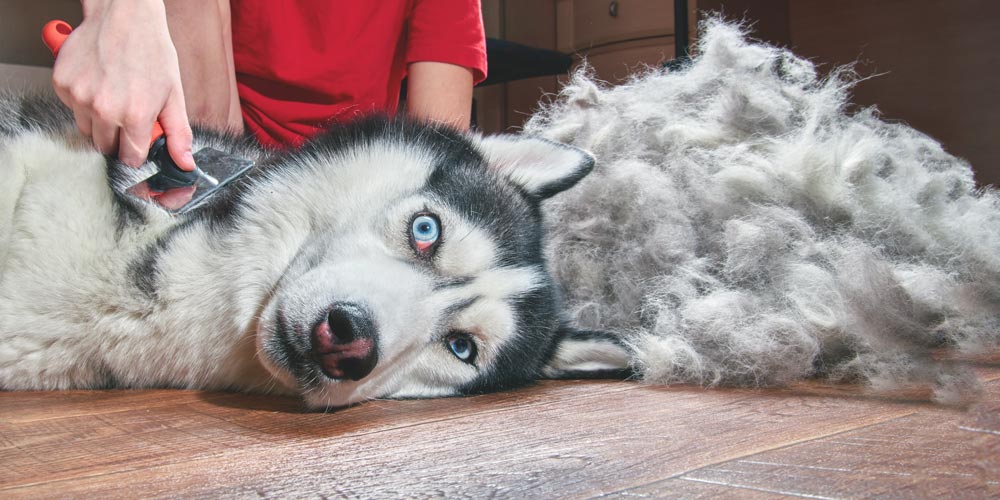
Matted coat can be indicative of a serious condition such as
arthritis or skin conditions.
Having a matted coat is not necessarily a
sign that your dog is unhealthy. It may be caused by simple neglect, or it
could be the result of an underlying health issue. In some cases, however, a
matted coat can be indicative of a serious condition such as arthritis or skin
conditions.
Your dog's fur will start to matt if he's
been unable to groom himself properly for various reasons. If you've just
adopted your pup and aren't yet able to give him regular baths (which can help
un-matt his coat), then this might explain why he's stuck with this unkempt
look.
However, if you have been grooming him
regularly but still notice mats forming on his body (especially on his legs and
stomach), then it might be time to take him in for an exam by the vet so they
can determine what's causing this shedding pattern.
A matted coat can indicate serious issues
such as arthritis or skin conditions. The latter is especially common in dogs
with dark hair because their fur tends to hide any problems from view. If this
happens, you may be tempted to groom the dog yourself—but don't! You could
cause further damage by pulling out clumps of fur that have become embedded in
the skin or by cutting off clumps of fur that are causing irritation or sores
on the dog's body.
The best thing you can do is schedule a visit
with your vet so they can examine your pooch and determine how serious these
issues are and how best to treat them.
Fluffy fur means the dog is cold, and if it's too fluffy he could
be dehydrated.
Although your dog's fur can't speak, it does
have a lot to say. It may be telling you that the dog is cold or hot, but it
also has more subtle meanings. For example, if your dog's coat is very fluffy
and thick, this might mean that he is dehydrated or stressed.
In that case, his fur would feel dry and
matted instead of soft and fluffy—a sign of dehydration just like with humans!
If the opposite happens (the dog is overheated) then his coat will feel flat as
opposed to fluffy which indicates overheating due to stress or illness.
If you're not sure what to do about this, try
petting your dog for a few minutes. If his fur starts to fluff up again, it
means that he was just cold. If it stays flat after the petting session, he
might be dehydrated and needs to get some water or food ASAP!
So, next time you see your dog's fur all
fluffed up, don't just assume he's being cute - he could actually be cold or
dehydrated. If you're concerned about your dog's health, take him to the vet to
get checked out. In the meantime, make sure he has a warm coat to wear and
plenty of fresh water to drink to keep him hydrated.

If your dog's tail is droopy and his ears are down, he might be in
pain.
If your dog's ears are droopy and his tail is
down, it could mean that he's in pain. These are the most visible parts of the
body, so they're an excellent way to gauge how comfortable your dog feels at
any given time.
Your furry friend has a lot of stress-induced
body language as well: if he's limping or whining, it could be because he's
feeling uncomfortable. Dogs also love to hide when they're feeling anxious, so
if you see him curled up under the table instead of running around with his
toys like usual, there might be a reason for that!
If you see these signs of pain, take your dog
to the vet right away.
It's not always easy to tell if your dog is
in pain. If you're not sure what your dog's fur is trying to tell you, here are
some common signs that might indicate a problem:
Tails: A droopy tail may be an early warning
sign that something is wrong with your pet. A wagging or erect tail usually
means that everything is fine. But if you notice that your pet is walking around
with a droopy tail, it could mean that he's not feeling well or experiencing
discomfort in his body somewhere.
Ears: When dogs are happy or excited about
something, they'll perk up their ears and show interest in their surroundings
by listening closely as they move around with energy and enthusiasm. If you
notice that your pet has dropped his head down low like a sad puppy or has
turned his head sideways while walking around the house—or even worse, if he's
not moving at all—it could mean he's suffering from pain somewhere on his body!
Eyes: Dogs can be some of the best judges of
character. They’re able to pick up on our emotions and read us like an open
book. If you notice that your pet's eyes are drooping down low or looking away
from you when he sits next to you, it could mean he's feeling sad.
Other signs that your dog might be in
pain include whining, panting, limping, and reluctance to move. If you notice
any of these signs, it's important to take your dog to the vet to get him
checked out.
There are a number of different things that
can cause pain in dogs, including injuries, arthritis, cancer, and diseases. If
your dog is in pain, the vet will be able to determine the cause and provide
the appropriate treatment.
If you suspect that your dog is in pain,
don't hesitate to take him to the vet. It's better to be safe than sorry, and
your dog will appreciate the extra attention.
Keep an eye on your dog's fur, because it can tell you a lot about
their health and lifestyle.
Staying on top of your dog's fur is an
important part of keeping your best friend healthy and happy. It can tell you a
lot about what’s going on in their body, which may be a sign of more serious
issues.
If you notice any changes to their
fur—whether it’s thinning, excessive shedding, or discoloration—make sure to
take them to the vet as soon as possible. The sooner they get help, the better!
Conclusion
Now that you know a bit more about the
language of your dog's fur, you're ready to start speaking it. Your dog will
love you for being so observant and taking the time to learn these things. If
you're ever in doubt about what your dog might be trying to tell you, take a
look at his coat—his fur will always give him away!
Remember, your dog’s fur is a powerful tool
for communicating its needs. By keeping an eye on how your dog’s coat looks and
feels, you can make sure that he or she is getting the care they need to live a
long, healthy life. If you notice anything unusual about either appearance or
behavior in your pet's fur, don't hesitate to contact your vet!
Comments
Post a Comment