The Top 5 Best Dog Foods for Small Dogs
It's no secret that small
dogs have different nutritional needs than their larger counterparts. And while
there is no one-size-fits-all answer when it comes to the best dog food for
small dogs, there are a few things to keep in mind when making your decision. The
first thing to consider is your dog's age. Puppies, for example, have different
nutritional needs than adult dogs. Small breed puppies grow quickly and need a
diet that is high in calories and protein to support their growth. Adults, on
the other hand, need a diet that is lower in calories and fat to maintain a
healthy weight.
Another
thing to consider when feeding your dog is their activity level. Active dogs
need more calories than less active dogs. And, of course, if your dog is
pregnant or nursing, they will have different nutritional needs than a
non-pregnant dog. When it comes to activity level, there are a few things to
keep in mind. If your dog is mostly sedentary, they will need fewer calories
than an active dog. The number of calories your dog needs will also depend on
their weight, age, and breed.
Pregnant
and nursing dogs have different nutritional needs than non-pregnant dogs.
Pregnant dogs need more calories and nutrients than usual, and nursing dogs
need even more. If you're not sure how much to feed your pregnant or nursing
dog, talk to your veterinarian.
In general, it's important
to make sure your dog is getting enough calories and nutrients. If you're not
sure how much to feed your dog, talk to your veterinarian. They can help you
figure out how many calories your dog needs based on their weight, age,
activity level, and other factors.
Finally,
you'll need to decide what type of food you want to feed your small dog. There
are three main types of dog food: dry, canned, and raw. Each has its own
advantages and disadvantages, so it's important to do some research to decide
which is best for your dog.
Dry food
Dry
food is the most popular type of dog food and can be found in most pet stores.
It's easy to store and usually less expensive than other types of food.
However, dry food doesn't contain as much moisture as wet food, so it's
important to make sure your dog always has access to fresh water. Dry food is
made by extrusion cooking, which means that the ingredients are cooked under
high pressure and then extruded, or pushed, through a die. This process results
in a food that is very dense and calorie-rich. Dry food typically contains
about 30% protein and 20% fat, making it a very nutrient-rich diet for your
dog.
The main benefit of dry
food is that it is very easy to store and transport. Dry food doesn't require
refrigeration, so you can keep it in your pantry or cupboard for months at a
time. It's also easy to portion out, so you can control how much your dog eats.
However,
dry food has some drawbacks. Because it is so calorie-dense, it can be easy for
your dog to overeat. And, because it doesn't contain as much moisture as wet
food, it's important to make sure your dog always has access to fresh water.
If
you're thinking about switching your dog to dry food, talk to your veterinarian
first. They can help you choose a food that is right for your dog's individual
needs.

Canned food
Canned
food is another popular option for dog food, and can be found in many pet
stores. It is more expensive than dry food, but usually contains more moisture,
making it a good choice for dogs who need a little extra hydration. There are
many different brands and types of canned dog food available, so it is
important to read the labels carefully to find one that is right for your dog.
Look for a food that is high in protein and low in carbohydrates, and make sure
that it does not contain any artificial preservatives or flavors.
When
feeding your dog canned food, be sure to follow the manufacturer's
recommendations on how much to feed your dog. Feeding too much canned food can
cause diarrhea, and feeding too little can cause your dog to become
constipated. If you are unsure about how much to feed your dog, ask your
veterinarian for advice.
Raw food
Raw
food is the least processed type of dog food and is often the most expensive.
It's important to note that raw food can contain harmful bacteria, so it's
important to talk to your vet before feeding your dog raw food. There are a lot
of benefits to feeding your dog raw food. Raw food is more natural and closer
to what dogs would eat in the wild. It's also packed with nutrients and can
help boost your dog's immune system.
Raw food is more natural
and closer to what dogs would eat in the wild. It's also packed with nutrients
and can help boost your dog's immune system.
However,
there are also some risks associated with feeding your dog raw food. Raw food
can contain harmful bacteria that can make your dog sick. That's why it's
important to talk to your vet before you start feeding your dog raw food.
If you
do decide to feed your dog raw food, there are a few things you need to keep in
mind. First, you'll need to make sure you're buying high-quality, fresh food.
Second, you'll need to prepare the food properly. And third, you'll need to
feed your dog the right amount of food.
If
you're thinking about switching your dog to a raw food diet, talk to your vet
first. They can help you decide if raw food is right for your dog and give you
some tips on how to transition your dog to a raw food diet.

=====
Once
you've considered your dog's age, activity level, and dietary needs, you're
ready to choose the best food for your small dog. Here are five of the best dog
foods for small dogs, based on those factors:
1. Wellness CORE
Natural Grain Free Small Breed Dog Food
While
there are a lot of different options available when it comes to choosing the
right food for your dog, it's important to remember that not all dog food is
created equal. Just like people, dogs have different nutritional needs based on
their size, activity level, and overall health. That's why it's so important to
choose a food that's specifically tailored to your dog's individual needs. Wellness
CORE Natural Grain Free Small Breed Dog Food is a great choice for small dogs.
It's made with real meat and vegetables and is grain free. It also contains no
artificial colors, flavors, or preservatives.
One of
the things that makes Wellness CORE Natural Grain Free Small Breed Dog Food so
great is that it's packed with nutrients that small dogs need. For example, it
contains more protein than most small breed dog foods. This is important
because protein is essential for muscle development and maintenance. It also
contains a high level of omega-3 fatty acids, which are important for a healthy
coat and skin.
Another
thing that makes Wellness CORE Natural Grain Free Small Breed Dog Food a great
choice is that it's made with no artificial ingredients. This means that you
can feel good about giving it to your dog without worrying about any potential
health risks.
If
you're looking for a food that's specifically formulated for small dogs,
Wellness CORE Natural Grain Free Small Breed Dog Food is a great option. It's
made with real meat and vegetables and is grain free. It also contains no
artificial colors, flavors, or preservatives.
2. Blue Buffalo Life
Protection Formula Small Breed Chicken & Brown Rice Recipe
Blue
Buffalo Life Protection Formula Small Breed Chicken & Brown Rice Recipe is
another great food for small dogs. It's made with deboned chicken and brown
rice and is free of corn, wheat, and soy. It also doesn't contain any
artificial colors, flavors, or preservatives. This food is packed with
nutrients that small dogs need to stay healthy and active. The deboned chicken
is a great source of protein, while the brown rice provides complex
carbohydrates. This food also contains omega-3 fatty acids, which are great for
your dog's skin and coat.
If
you're looking for a healthy and nutritious food for your small dog, Blue
Buffalo Life Protection Formula Small Breed Chicken & Brown Rice Recipe is
a great option. It's affordable, nutritious, and free of harmful ingredients.
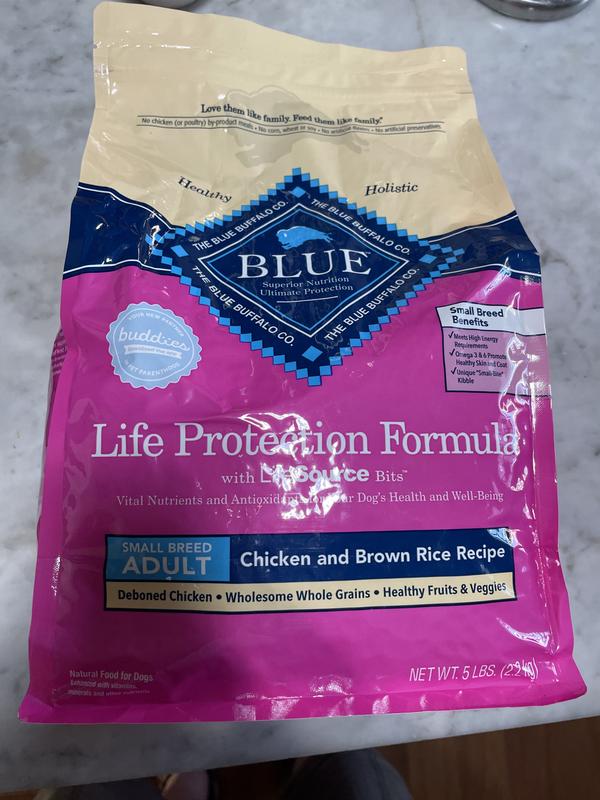
3. Merrick Classic
Small Breed Grain Free Dry Dog Food
Merrick
Classic Small Breed Grain Free Dry Dog Food is a great food for small dogs that
are sensitive to grains. It's made with deboned chicken, brown rice, and
potatoes and is free of corn, wheat, and soy. It also doesn't contain any
artificial colors, flavors, or preservatives. As a dog owner, you want to give
your furry friend the best of everything. That includes the best food possible.
If your dog is small and has sensitivities to grains, then Merrick Classic
Small Breed Grain Free Dry Dog Food is the perfect food for them. This food is
made with deboned chicken, brown rice, and potatoes and is free of corn, wheat,
and soy. Plus, it doesn't contain any artificial colors, flavors, or
preservatives. All of that is important to you as a pet parent and it's
important to your dog's health.
When
you switch your dog to Merrick Classic Small Breed Grain Free Dry Dog Food,
you'll notice a difference in their energy level and overall health. This food
is made with high-quality ingredients that are easy for your dog to digest.
And, because it's grain free, your dog won't have any sensitivities to the
food. They'll be able to enjoy their food without any tummy trouble.
As a
pet parent, you want what's best for your furry friend. With Merrick Classic
Small Breed Grain Free Dry Dog Food, you can rest assured that you're giving
them the best possible food. It's made with high-quality ingredients, it's
grain free, and it doesn't contain any artificial colors, flavors, or
preservatives. That's a win-win for you and your dog.
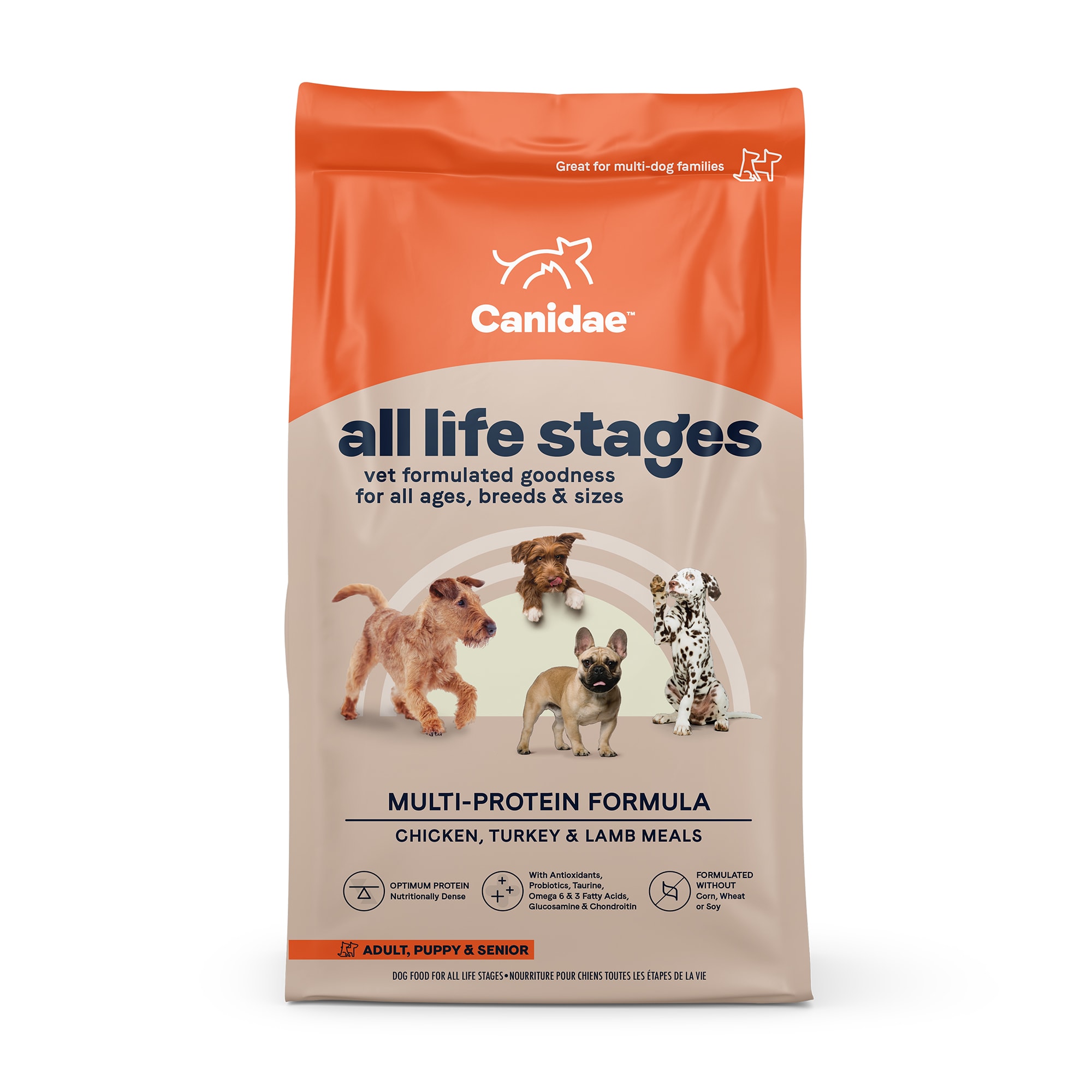
4. CANIDAE All Life
Stages Small Breed Formula Dry Dog Food
When
it comes to finding the perfect food for your small dog, you want something
that is nutritious and will keep them happy and healthy at all stages of their
life. CANIDAE All Life Stages Small Breed Formula Dry Dog Food is a great
option for small dogs of all ages. It is made with real meat and vegetables and
doesn't contain any corn, wheat, or soy. It also doesn't contain any artificial
colors, flavors, or preservatives.
This
food is complete and balanced for all life stages, so you can feel good about
feeding it to your small dog at any age. It is also highly digestible, so your
dog will be able to get all of the nutrients they need from the food. And,
because it is made with real meat and vegetables, it is a great tasting food
that your small dog is sure to love.
If you
are looking for a nutritious and delicious food for your small dog, CANIDAE All
Life Stages Small Breed Formula Dry Dog Food is a great option to consider.
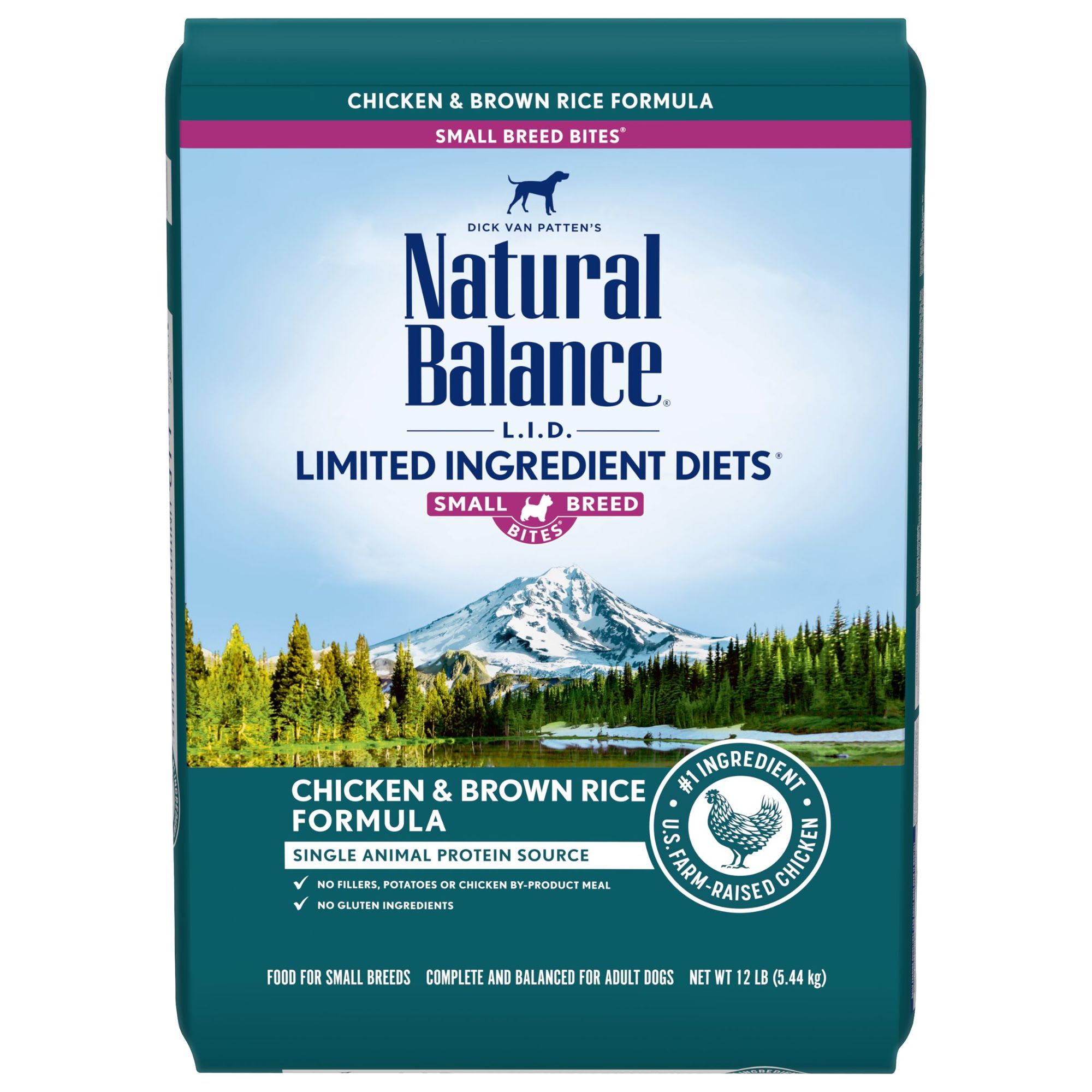
5. Natural Balance
Limited Ingredient Diets Small Breed Bites Dry Dog Food
It's
no secret that small dogs are prone to developing food allergies and
sensitivities. That's why Natural Balance Limited Ingredient Diets Small Breed
Bites Dry Dog Food is such a great option for them. It's made with deboned chicken
and peas and is free of corn, wheat, soy, and artificial colors, flavors, and
preservatives. This means that it's packed with all of the nutrition your small
dog needs without any of the ingredients that could trigger their allergies or
sensitivities.
Not
only is Natural Balance Limited Ingredient Diets Small Breed Bites Dry Dog Food
great for small dogs with allergies or sensitivities, but it's also a great
option for those who are looking for a nutritious and delicious food for their
small dog. The deboned chicken and peas provide a high-quality protein source
that is perfect for small dogs, and the lack of corn, wheat, soy, and
artificial colors, flavors, and preservatives means that this food is also free
of any fillers or added ingredients that could cause your small dog digestive
problems.
If
you're looking for a food that is both nutritious and delicious for your small
dog, Natural Balance Limited Ingredient Diets Small Breed Bites Dry Dog Food is
the perfect option. It's packed with all of the nutrition your small dog needs
and is free of any ingredients that could trigger their allergies or
sensitivities.
Conclusion
The
best food for your small dog is the one that is most tailored to their
individual needs and provides them with the nutrients they need to stay healthy
and active. Consider your dog's age, activity level, and dietary needs when
choosing their food, and always consult with your veterinarian if you have any
questions or concerns.
Comments
Post a Comment