What's the Best Type of Cat for Kids?
There's no one-size-fits-all answer to the question of
what's the best type of cat for kids, since every child is different and every
family's needs are different. However, there are some general guidelines you
can follow to help you choose the right cat for your family.
The
first thing to consider is whether you want a purebred or a mixed-breed cat.
Purebred cats are those that have been bred to have specific physical and
personality traits, while mixed-breed cats are a mix of two or more different
breeds. There are pros and cons to both options.
Purebred cats are generally more
expensive than mixed-breed cats, but they may be a better fit for families who
have specific preferences in terms of appearance or personality. On the other
hand, mixed-breed cats are often more laid-back and easygoing, and they may be
a better fit for families with young children.
Another thing to consider is whether
you want a short-haired or long-haired cat. Short-haired cats are less likely
to shed and are generally easier to care for than long-haired cats. However,
long-haired cats are often more beautiful and may be a better fit for families
who are looking for a cat with a bit more personality.
Finally, you'll need to decide
whether you want an indoor or outdoor cat. Indoor cats are less likely to
contract diseases and are generally less work to take care of than outdoor
cats. However, outdoor cats have the advantage of being able to explore and
play, and they may be a better fit for families who live in rural areas or have
large yards.
No matter what type of cat you
choose, be sure to do your research and choose a cat that will be a good fit
for your family's specific needs and lifestyle.
What types of cats are best for
kids?
There's no one answer to the
question, "What's the best type of cat for kids?" The best answer
depends on the individual child and the individual cat. Some kids do best with
energetic, playful cats while others prefer calmer, more affectionate cats. The
key is to find a cat that meshes well with your child's personality.
Here are some of the most popular
types of cats for kids, along with a few tips on choosing the right cat for
your child:
Siamese cats are known for their playful, energetic
personalities. They're also very vocal, so if
you're looking for a chatty cat, a Siamese is a good choice. Keep in mind that
Siamese cats can be a bit nippy, so they're not the best choice for very young
children.
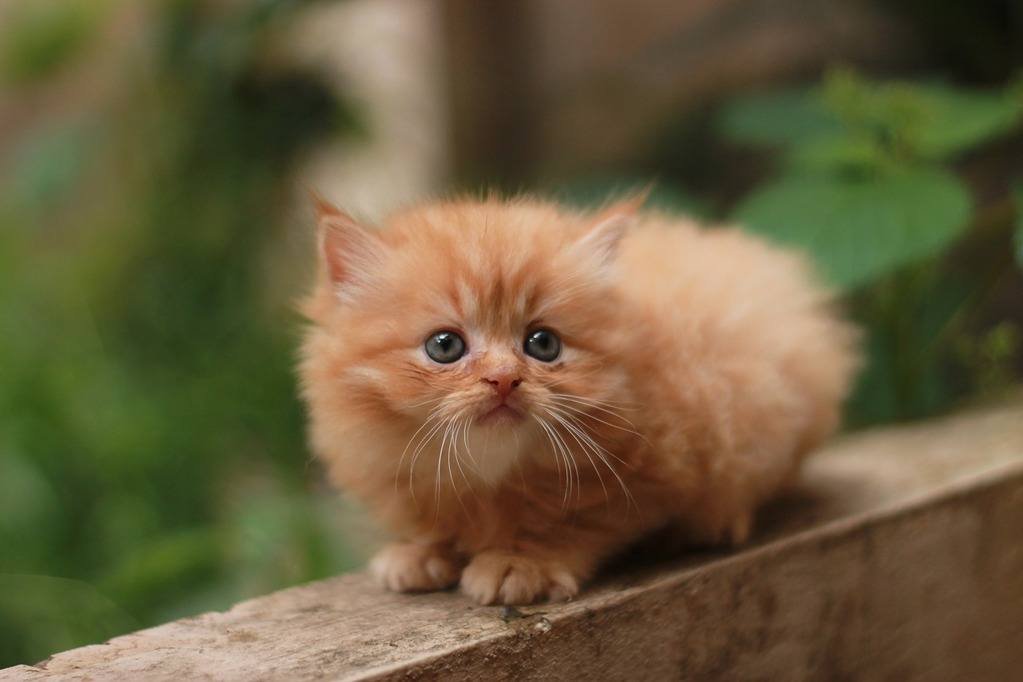
Persian cats are one of the most popular breeds for kids. They're known for being gentle and affectionate, and they
tend to be relatively quiet. Persian cats do require regular grooming, so if
you're not up for that, another breed might be a better choice.
Russian blue cats are another popular choice for kids. They're known for being playful and affectionate, and they
tend to be relatively quiet. Russian blue cats do require regular grooming, so
if you're not up for that, another breed might be a better choice.
Siamese cats, Persian cats, and
Russian blue cats are just a few of the many breeds that make good cats for
kids. When choosing a cat for your child, it's important to consider your
child's personality and your own lifestyle. With a little bit of research, you
should be able to find the perfect cat for your family.
 |
| Persian Kitten |
Do indoor or outdoor cats make
better pets for kids?
Do indoor or outdoor cats make
better pets for kids? If you're wondering which type of cat is best for your
children, you're not alone. It's a common question that many pet parents face.
There
are pros and cons to both indoor and outdoor cats, so it's important to weigh
your options and decide what's best for your family. Here are a few things to
consider when making your decision:
Safety: Indoor
cats are less likely to get into fights with other animals or be hit by cars.
They're also less likely to contract diseases from other cats.
Outdoor cats, on the other hand,
have the opportunity to explore and exercise. They also get to enjoy the fresh
air and sunshine.
Personality:
Some cats are simply more suited to life indoors, while others thrive in an
outdoor environment. It's important to consider your cat's personality when
making your decision.
Maintenance:
Indoor cats require less maintenance than outdoor cats. They don't need to be
vaccinated for diseases and they don't need to be spayed or neutered.
Outdoor cats, on the other hand,
need to be vaccinated and spayed or neutered. They also need to be regularly
groomed to prevent mats and tangles in their fur.
Cost: Indoor
cats generally cost less to care for than outdoor cats. They don't need as many
vaccinations and they don't need to be spayed or neutered.
Outdoor cats, however, require more
vaccinations and they need to be spayed or neutered. They also require regular
grooming, which can add to the cost of their care.
So, which is better for kids -
indoor or outdoor cats? There's no easy answer, as each type of cat has its own
pros and cons. Ultimately, the decision comes down to what's best for your
family and your cat's individual personality.
Which type of cat is easier to
train?
It's a common question: "Which
type of cat is easier to train?"The answer, of course, depends on
individual cats and their personalities. However, there are some generalities
that can be made. In general, Oriental breeds such as Siamese and Balinese are
more intelligent and easier to train than other breeds.
That's not to say that other breeds
can't be trained - they can. It may just take a little more patience and
effort.
Here are a few tips for training
your cat:
1. Be consistent.
Like with any training, consistency is key. If you only work on training for a
few minutes each day, your cat is unlikely to make much progress. Set aside
some time each day to work on training, and stick to it.
2. Be patient.
Cats aren't dogs - they don't learn as quickly or respond as well to positive
reinforcement. Be patient and don't get frustrated if your cat isn't catching
on as quickly as you'd like.
3. Use positive reinforcement. When your cat does something you've been working on, make
sure to give them plenty of praise and treats. This will help them associate
the behavior with something positive and be more likely to repeat it.
4. Be creative.
If you're finding that your cat just isn't responding to traditional training
methods, get creative and try something new. Cats are intelligent creatures and
can often be motivated by different things than dogs.
5. Get help from a professional. If you're really struggling to train your cat, it may be
time to seek out professional help. A certified animal behaviorist can help you
identify the root of the problem and come up with a training plan that will
work for your cat.
Training a cat takes time, patience,
and sometimes a bit of creativity. But with consistency and positive
reinforcement, you can teach your cat just about anything.
Can I have a cat if my kid is
allergic to cats?
There are a lot of things to
consider when you're thinking about getting a cat, but if you have a child
who's allergic to cats, it might seem like you're out of options. Fortunately,
there are a few things you can do to make sure your child can still enjoy the
companionship of a feline friend.
First, you'll need to find out if
your child is allergic to cats specifically, or to animals in general. If it's
the latter, there are a few hypoallergenic cat breeds that might be a good fit.
Siamese,
Russian Blue, and Sphynx cats are all considered to be hypoallergenic, which
means they're less likely to trigger an allergic reaction.
If your child is allergic to cats
specifically, there are a few things you can do to help them manage their
allergy. One is to make sure they're taking their allergy medication regularly.
Another is to keep the cat's fur
well-groomed. Regular brushing will help to remove any allergens that might be
clinging to the fur.
You should also keep the cat out of
your child's bedroom, and vacuum regularly to remove any allergens that might
be present in the room.
Finally, you might want to consider
getting an air purifier for your child's room. This will help to remove any
allergens that might be in the air.
If you follow these tips, you can
help your child to enjoy the companionship of a cat, even if they're allergic
to them.
How
old should a kid be before they can take care of a cat?
First of all, let's dispel the myth
that cats are aloof and uninterested in humans. In fact, cats can make great
companions for kids of all ages. The key is to find the right cat for your
family.
If
you have young kids, we recommend getting a kitten. Kittens are full of energy
and love to play. They're also very curious, which can lead to them getting
into things they're not supposed to. But that's all part of the fun!
Older kids will appreciate a cat who
is a little more low-key. An adult cat who is used to being around kids will be
more patient and tolerant of the occasional roughhousing. And since they're not
as high energy as kittens, they won't be constantly underfoot.
No matter what age your children
are, there's a cat out there who will be the perfect fit for your family. So
don't wait any longer, go out and find your new furry friend today!
Will having a cat make my kid
more responsible?
We all want our kids to be
responsible, right? So, it only makes sense that we would want a pet that would
help teach them some of those important life lessons. But, what type of pet is
best for instilling responsibility in our kids?Sure, dogs are always a popular
choice for a family pet. But, have you ever considered a cat? Will having a cat
make my kid more responsible?
Here are a few ways that a cat can
help teach your kids responsibility:
1. Caring for a cat requires time and effort. Your kids will need to feed them, clean their litter box,
and give them attention. This will help teach your kids the importance of taking
care of another living creature.
2. Cats need exercise and playtime. Your kids will need to take them for walks and play with
them. This will help teach your kids the importance of taking care of their own
bodies and staying active.
3. Cats are independent creatures. They don't need to be coddled and babied like some pets
do. This will teach your kids that they need to be responsible for their own
actions and not rely on others to take care of them.
4. Cats can be messy.
Your kids will need to learn to clean up after them. This will teach your kids
the importance of being tidy and keeping things clean.
5. Cats can be temperamental. Your kids will need to learn how to deal with a grumpy
cat. This will teach your kids the importance of patience and understanding.
So, if you're looking for a pet that
can help teach your kids responsibility, a cat may be the perfect choice!
How do I know if my child is
ready for their own pet?
This is a question that plagues many
parents. You want to give your child the opportunity to experience the joys of
pet ownership, but you're not sure if they're ready for the responsibility.
Here are a few things to consider when making your decision:
1. Does your child show an interest in animals?
If your child is constantly asking
to hold the neighbor's dog or trying to catch the family cat, they may be ready
for a pet of their own. Showing an interest in animals is a good sign that your
child will be responsible and take care of their new pet.
2. Is your child old enough to
understand the commitment?
Pets
require time, attention, and care. Be sure your child is old enough to
understand the responsibility of owning a pet before making the commitment. A
good rule of thumb is that children under the age of five are not ready for the
responsibility of a pet.
3. Can your child follow basic rules and instructions?
Pets require basic care and
attention, but they also need rules and boundaries. Be sure your child can
follow basic instructions before getting a pet. This will help ensure that they
are able to take care of their new pet properly.
4. Is your child ready for the financial responsibility?
Pets require food, toys, and
veterinary care. Be sure your child is able to understand the financial
responsibility of owning a pet before making the commitment.
5. Does your child have allergies?
If your child has allergies, it's
important to consider whether or not they would be able to handle owning a pet.
Some pets, such as dogs and cats, shed fur and dander that can trigger
allergies. Be sure to talk to your child's doctor before making a decision.
Making the decision to get a pet is
a big one. Be sure to consider all of these factors before making your
decision.
Should we get two cats so they
can keep each other company while we're away at work or school?
When it comes to cats, there are a
lot of things to consider. One of the most important things to think about is
whether or not you want your cat to have a friend. Some people believe that
it's best to get two cats so they can keep each other company while you're
away.
There
are a few things to consider before making this decision. First, you'll need to
make sure that you have enough space for two cats. You'll also need to think
about whether or not you're prepared to care for two cats. It's important to
remember that cats are individuals and each one will have different needs.
If you decide that you do want to
get two cats, there are a few things you can do to make sure they get along.
First, you'll need to introduce them slowly. Start by letting them see each
other from a distance. Once they're comfortable with each other, you can start
letting them interact more.
You'll also need to make sure that
you have plenty of toys and scratching posts for them to share. Cats love to
play and they need to have plenty of space to run and explore.
If you're wondering whether or not
two cats is the right decision for you, there's no right or wrong answer. It's
ultimately up to you to decide what's best for your family.
What are some common mistakes
people make when picking out a kitten for their children
When it comes to picking out a
kitten for their children, many people make the same mistakes. Here are some of
the most common mistakes people make when choosing a kitten for their kids.
1. Not doing their research
Many people don't take the time to
do their research before picking out a kitten for their children. They might
not know what breed of kitten is best for their child's personality or what
kind of temperament the kitten will have.
2. Not considering the child's allergies
If the child has allergies, it's
important to pick a kitten that won't make the allergies worse. Some people
might not even think about this when choosing a kitten for their children.
3. Not picking a hypoallergenic breed
There are some breeds of kittens
that are less likely to cause allergies. If the child has allergies, it's
important to pick one of these breeds.
4. Not getting the kitten from a
reputable breeder
There
are a lot of kitten mills out there. These are places where kittens are bred in
terrible conditions and are often sick. It's important to make sure the kitten
comes from a reputable breeder.
5. Not socializing the kitten
Many people don't realize how
important it is to socialize a kitten. A kitten that isn't socialized can
become scared of people and other animals. It's important to make sure the
kitten is exposed to different people and animals so that it can learn to trust
them.
6. Not having the kitten spayed or neutered
Many people don't realize that it's
important to have the kitten spayed or neutered. An unspayed or unneutered
kitten can have a lot of health problems. It's also important to have the
kitten spayed or neutered so that it doesn't contribute to the overpopulation
of cats.
7. Not taking the kitten to the vet
Many people don't take their kitten
to the vet for regular checkups. This is a mistake because kittens need to see
the vet for vaccinations and other health care.
Conclusion
In conclusion, all cats are great
pets for kids. They can play, snuggle, and teach the child all about
responsibility. With the right care and attention, your cat will be a wonderful
addition to your family.
Comments
Post a Comment