How to Deal with an Overweight Cat (as a nurse)

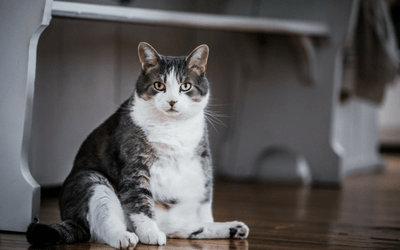
We all love our cats, but sometimes they can be a little bit… overweight. And while there’s nothing wrong with a little extra fluffiness, an overweight cat can be at risk for health problems like diabetes, joint pain, and respiratory difficulties.
So, what can you do to help your overweight cat slim down?
Here are a few tips from a busy nurse:
1. Make sure they’re getting enough
exercise.
Just like us, cats need to get up
and move around to stay healthy. If your cat is overweight, they may not be
getting enough exercise. Try to give them a little more playtime each day, or
invest in a cat tower or scratching post to give them a place to play and burn
off some energy.
2. Cut back on their food.
You may need to cut back on your
cat’s food to help them lose weight. Talk to your veterinarian about how much
food your cat should be eating, and then measure out their food and stick to
that amount. You may also want to switch to a lower calorie food.
3.
Add more fiber to their diet.
Fiber
can help your cat feel fuller without adding a lot of calories. Add a little
bit of canned pumpkin (not the pie filling) to your cat’s food, or give them a
small amount of dry bran cereal.
4. Avoid fatty foods.
Fatty foods are high in calories and
can contribute to weight gain. Avoid giving your cat table scraps or food from
your own plate, and don’t give them treats that are high in fat.
5. Monitor their weight.
Keep an eye on your cat’s weight and
talk to your veterinarian if you’re concerned about their weight gain. They can
help you develop a weight loss plan for your cat and track their progress.
We all want our cats to be happy and
healthy, and that includes maintaining a healthy weight. With a little effort,
you can help your overweight cat slim down and enjoy a long, healthy life.
1. Make sure they’re getting
enough exercise.
It's no secret that nurses are
constantly on the go. They are constantly running from one patient to the next,
and they often don't have time to take care of themselves, let alone their
pets. However, nurses are not the only ones who need to take care of their
pets. Cats also need to exercised, and nurses should make sure that their cats
are getting enough exercise.
There
are a few things that nurses can do to make sure that their cats are getting
enough exercise:
1. Take them on walks:
Walking is a great way for cats to get some exercise. Nurses can take their
cats on walks around the neighborhood or to the park.
2. Play with them:
Playing with your cat is a great way to get them moving. Nurses can use toy
mice or balls to play with their cats.
3. Give them a scratching post: Scratching is a natural behavior for cats. It helps them
to keep their claws healthy and sharp. Nurses can purchase a scratching post
for their cats, or they can make one themselves.
4. Give them space to run:
If nurses have the space, they should allow their cats to run around. This will
give them the opportunity to get some much-needed exercise.
5. Take them to the vet:
Nurses should take their cats to the vet for regular checkups. The vet can help
to ensure that the cat is getting enough exercise and that they are healthy.
Nurses who follow these tips will be
able to ensure that their cats are getting the exercise that they need.
2. Cut back on their food.
As a nurse, you know that obesity is
a serious health problem. And while you may not think of your cat as
overweight, the truth is that many cats are carrying around too much weight.
Carrying extra weight puts your cat
at risk for a number of health problems, including diabetes, joint problems,
and even respiratory problems. So if you're concerned about your cat's weight,
it's important to take steps to help them slim down.
One
of the best ways to help your cat lose weight is to cut back on their food. Of
course, you don't want to starve your cat, but reducing their food intake can
help them shed those extra pounds.
There are a few different ways you
can go about doing this. One option is to feed your cat smaller meals more
often throughout the day. Another option is to reduce the amount of food you're
giving them at each meal.
Whatever approach you take, it's
important to make sure that your cat is still getting the nutrients they need.
So be sure to talk to your veterinarian about the best way to help your cat
lose weight.
Cutting back on your cat's food is a
great way to help them slim down. And as a nurse, you know that any steps you
can take to improve your cat's health are worth it.

3. Add more fiber to their diet.
If you're a nurse and you have an
overweight cat, you may be wondering how to deal with it. Here's why you should
add more fiber to their diet.
Cats are carnivores and their diet
should be mostly meat. However, fiber is an important part of a healthy diet
for both humans and animals. Fiber helps with digestion and can help prevent
obesity.
Most commercial cat foods are very
high in fat and low in fiber. This can lead to obesity and other health
problems. Adding more fiber to your cat's diet can help them lose weight and
stay healthy.
There
are a few things you can do to add more fiber to your cat's diet. You can add
some canned pumpkin to their food. Pumpkin is a good source of fiber and is low
in calories. You can also add some cooked broccoli or carrots to their food.
These vegetables are also good sources of fiber.
Another way to add fiber to your
cat's diet is to feed them raw fruits and vegetables. Most cats love to eat raw
fruits and vegetables. You can also give them raw meat from time to time. Just
be sure to cook the meat thoroughly to avoid any health risks.
Adding more fiber to your cat's diet
is a simple and effective way to help them lose weight and stay healthy. If you
have an overweight cat, talk to your veterinarian about the best way to add
more fiber to their diet.
4. Avoid fatty foods.
As a nurse, you know that being
overweight can lead to all sorts of health problems in your cat. Here's why you
should avoid giving your cat fatty foods:
1. Fatty foods can lead to obesity in cats.
Obesity is a serious health problem
in cats that can lead to a host of other problems, including diabetes,
arthritis, and even heart disease.
2. Fatty foods can cause pancreatitis in cats.
Pancreatitis is a potentially fatal
condition that can be caused by eating fatty foods. Signs of pancreatitis
include vomiting, diarrhea, and abdominal pain.
3. Fatty foods can cause intestinal
blockages in cats.
Intestinal
blockages can be extremely painful for cats and can even be fatal. Fatty foods
are a common cause of intestinal blockages, so it's best to avoid them.
4. Fatty foods can cause liver disease in cats.
Liver disease is a serious health
problem that can be caused by eating fatty foods. Signs of liver disease
include weight loss, appetite loss, and vomiting.
5. Fatty foods can cause kidney disease in cats.
Kidney disease is a serious health
problem that can be caused by eating fatty foods. Signs of kidney disease
include weight loss, appetite loss, vomiting, and increased thirst.
As you can see, there are many
reasons to avoid giving your cat fatty foods. If you're concerned about your
cat's weight, talk to your veterinarian about the best way to help them lose weight
safely.
5. Monitor their weight.
What you may not know is that
obesity is also a problem for cats. In fact, it's estimated that nearly 40% of
cats in the US are overweight or obese.
That's
why it's so important to monitor your cat's weight. Here are a few reasons why:
1. Obesity can shorten your cat's life.
Cats who are overweight are more
likely to suffer from health problems like diabetes, heart disease, and
arthritis. These conditions can shorten your cat's life expectancy.
2. Obesity can make your cat less active.
Cats who are overweight are less
likely to be active. That means they're less likely to play, run, and jump.
They're also more likely to sleep more and be less active overall.
3. Obesity can cause joint problems.
Cats
who are overweight are more likely to suffer from joint problems, such as
arthritis. This can make it difficult for them to move around and can lead to
pain.
4. Obesity can make your cat less social.
Cats who are overweight are less
likely to be social. That means they're less likely to interact with other cats
and people.
5. Obesity can be hard on your cat's internal organs.
Cats who are overweight are more
likely to have problems with their internal organs, such as their liver and
kidneys. This can lead to health problems down the road.
If you're concerned about your cat's
weight, talk to your veterinarian. They can help you create a weight-loss plan
that's right for your cat.
Here are a few tips:
1. Weigh them regularly.
Monitoring your cat's weight is the best way to catch obesity early. Weigh them
at least once a month, and keep track of their weight over time.
2. Feed them a healthy diet. Just like people, cats need a balanced diet to stay
healthy. Make sure they're getting plenty of protein, fiber, and healthy fats,
and limit their intake of processed foods and treats.
3. Get them moving.
Exercise is important for all cats, but it's especially important for
overweight cats. Encourage them to play, run, and jump as often as possible.
4. Take them to the vet.
If you think your cat is overweight, make an appointment with the vet. They can
help you create a weight loss plan and make sure there are no underlying health
problems.
If you have an overweight cat, don't
despair. With a little effort, you can help them reach a healthy weight and
enjoy a long, happy life.
Conclusion
As a nurse, you may be wondering how
to deal with an overweight cat. The first step is to talk to your veterinarian
about your cat's weight and whether or not it is a health concern. If your cat
is overweight, there are a few things you can do to help them lose weight
safely.
First, make sure they are getting
plenty of exercise. You can do this by playing with them or taking them for walks.
Second, feed them a healthy diet.
This means avoiding fatty and sugary foods.
Finally, talk to your veterinarian
about any medications your cat is taking that could be contributing to their
weight gain.
With your help, your overweight cat
can live a long and healthy life.
Comments
Post a Comment