10 Best Dog Breeds for Apartment Living
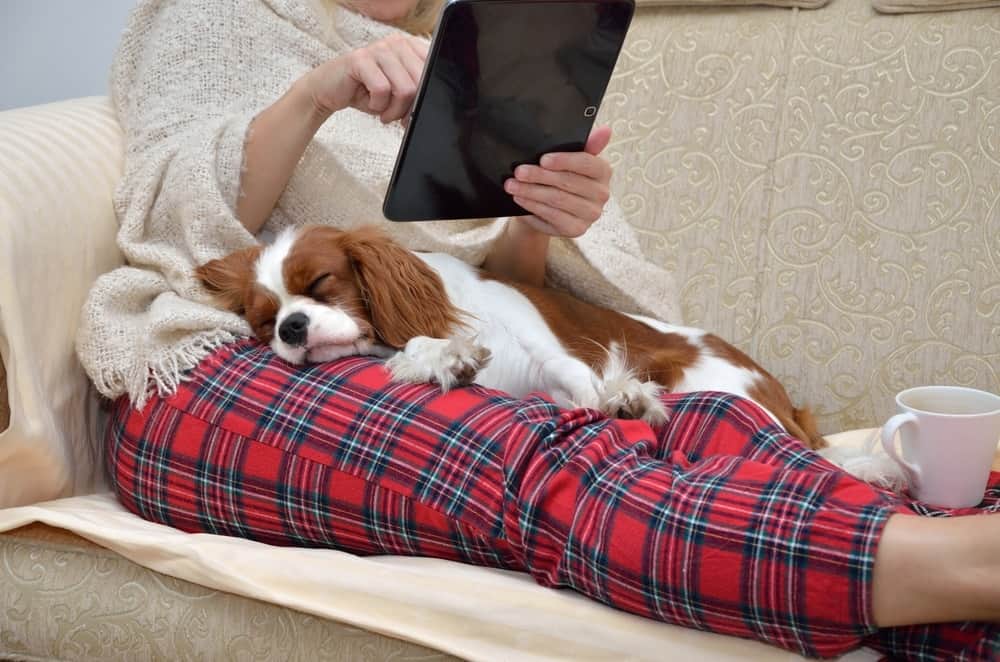
Not every dog is built for apartment living. The smaller the apartment, the more important it becomes that your pup be well-behaved and relatively low maintenance. If you have a big backyard, you can get away with having a high-energy dog who likes to dig holes in the yard or play fetch all day long. But if you live in an urban setting where your only access to open space is through doggy doors or windows, then choosing a low-maintenance pooch is essential.
These
breeds are perfect for first-time dog owners who live in small spaces but still
want a loyal companion:
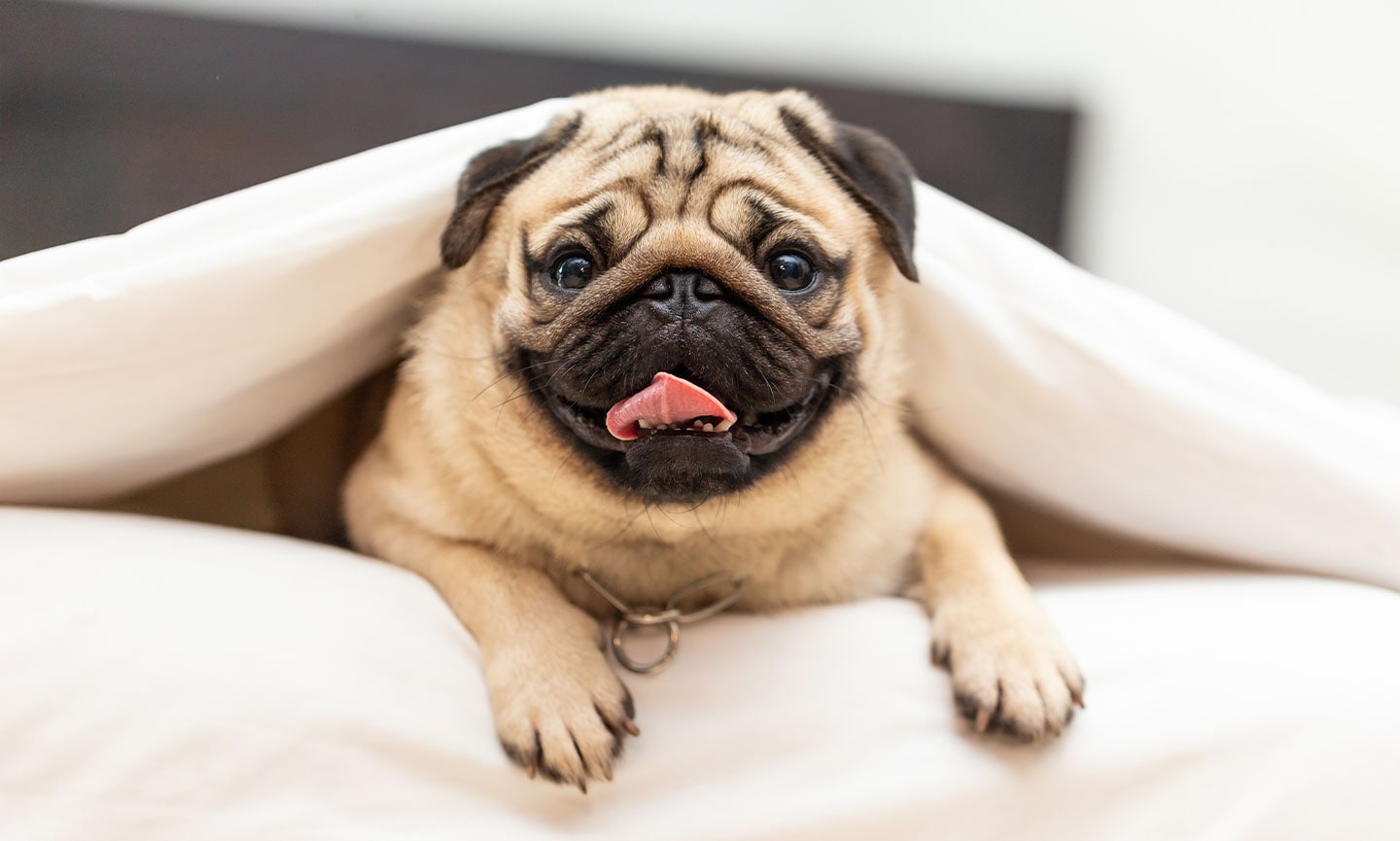
Pug
If you're looking for a small dog that can go
from zero to 100 in the blink of an eye, look no further than the Pug. This
breed has a wrinkly face and a curled tail, which makes them extremely
adorable. They are very sociable and playful, so they make great companions for
apartment living.
They don't need much exercise either! A few
short walks per day will do just fine for your Pug's health. The best part?
They stay small! It's easy enough to take them along on errands or when
visiting friends or family who live nearby—and if they get too excited while
staying with someone else they'll probably want nothing more than to curl up in
bed with you at night anyway (just like any other good friend would).
Here are some tips for living with a pug in an
apartment:
1.
Avoid Hot Weather
Pugs are sensitive to heat and can suffer
from heat stroke if they get too hot. If you live in a hot climate, make sure
your pug has access to air conditioning and plenty of water.
2. Get
a Dog Walker
Pugs need daily exercise, but they don't
require a lot. A dog walker can help your pug get the exercise they need while
you're at work or running errands.
3.
Keep Their Ears Clean
Pugs have long, floppy ears that can trap
dirt and moisture. This can lead to ear infections, so it's important to keep
their ears clean. Use a cotton ball soaked in warm water to wipe out their ears
weekly.
4. Be
Careful with Their Joints
Pugs are a brachycephalic breed, meaning they
have short noses and flat faces. This can cause problems with their breathing
and their joints. Be careful when handling your pug and avoid letting them jump
too much.
5.
Avoid Hot Meals
Pugs can't handle spicy food or hot meals.
Stick to a diet of dry kibble or canned food to avoid stomach upset.
6. Keep
Their Teeth Clean
Pugs are prone to dental problems due to
their short noses. brush their teeth daily and take them to the vet for regular
dental checkups.
7. Get
Them Groomed Regularly
Pugs shed a lot, so they need to be groomed
regularly. You can do this yourself at home or take them to a professional
groomer.
8. Be
Patient
Pugs can be stubborn, so you need to be
patient when training them. They will eventually catch on, but it might take
some time.
Pugs are a great breed for apartment living,
as long as you are prepared to care for them properly. With a little effort,
you can enjoy many years with your furry friend.
Poodles
If you're looking for a dog that's
well-suited for apartment living, you can't go wrong with a poodle. Poodles are
small to medium-sized dogs that are known for being intelligent, active, and
affectionate. They're also relatively easy to train and groom, which makes them
a great choice for first-time dog owners.
While poodles come in three different sizes
(standard, miniature, and toy), all three varieties make excellent apartment
dogs. Standard poodles, in particular, are often praised for their even
temperaments and low energy levels. That said, all poodles need plenty of
exercise and mental stimulation to stay happy and healthy, so make sure you're
prepared to provide them with plenty of walks, playtime, and training sessions.
If you think a poodle might be the right dog
for you, be sure to visit your local animal shelter or rescue group to meet
some adoptable poodles in person. You can also check out our list of the best
poodle breeders in the United States to find a reputable breeder near you.
However, there are a few things you should keep in
mind if you're considering a poodle as your next apartment pet.
First,
poodles are very intelligent dogs.
This means they can be easily bored, which
can lead to destructive behavior. If you're not able to provide your poodle
with enough mental stimulation, he may become antsy and start chewing on your
furniture or shoes.
Second,
poodles need to be groomed regularly.
Their coats can become matted and tangled if
they're not brushed and trimmed regularly. This isn't necessarily a big deal if
you're willing to put in the time to groom your poodle yourself, but it's
something to keep in mind if you're considering adopting a poodle from a
shelter or rescue organization.
Finally,
poodles are known for being escape artists.
If you're not careful, your poodle may find a
way to slip out of his collar and run away. Be sure to keep your poodle's ID
tags up to date and make sure he's microchipped in case he does get loose.
Overall, poodles make great apartment pets.
They're relatively low-maintenance, can be very loving and affectionate, and
make great companions. Just be sure to give them the care and attention they
need to stay happy and healthy.

Maltese
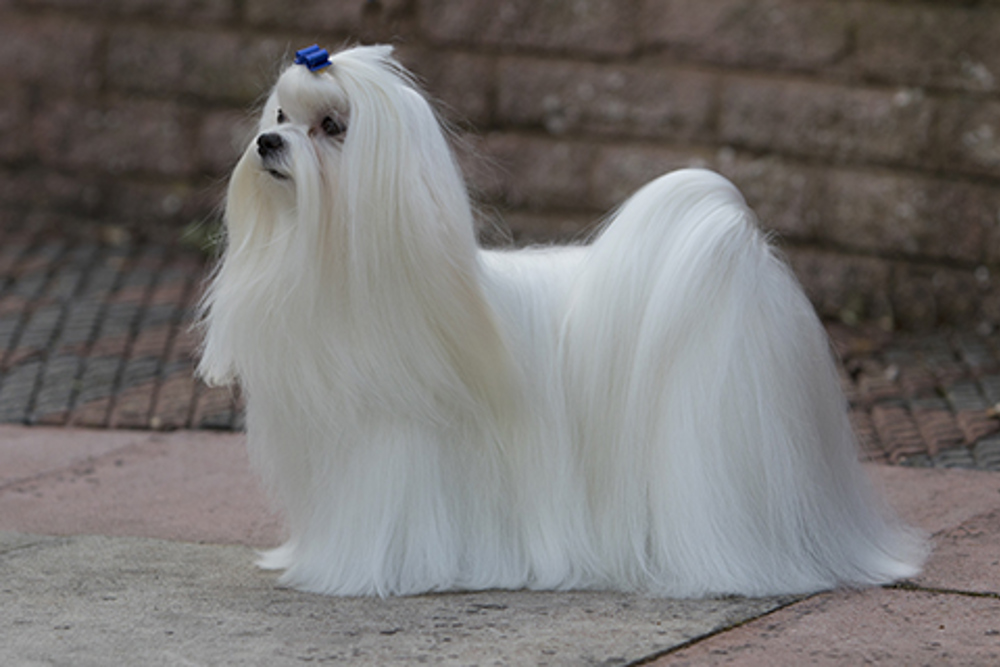
Maltese dogs are a popular choice for city
living, thanks to their small size and easy-going personalities. But not all
Maltese are created equal when it comes to apartment living. Some dogs of this
breed are better suited to life in a smaller space than others.
The best Maltese dogs for apartment living
are those that are relatively calm and quiet. They should also be relatively
low energy, as apartment dwellers often don't have the same opportunities for daily
exercise as those in suburban or rural areas.
While all Maltese dogs are small, some are
smaller than others. Toy and teacup Maltese are the smallest of the bunch, and
they're often the best choice for city living. They don't need a lot of space
to run and play, and their small size makes them easier to transport in a car
or elevator.
If you're looking for a Maltese dog
that's a little larger, but still suitable for apartment living, consider a
Maltese mix. Maltese mixes come in all shapes and sizes, so you're sure to find
one that's just right for your home.
No matter what size or type of Maltese you
choose, be sure to give your new furry friend plenty of love and attention.
Maltese dogs are known for their loyalty and affection, and they make wonderful
companions. With the right care and training, they can be the perfect addition
to any apartment.
French Bulldog
When it comes to finding the best dog breeds
for apartment living, French Bulldogs are often top of the list. That's because
these pups are relatively small in size, low energy, and low maintenance -
perfect for city living.
But what exactly makes French Bulldogs such great
apartment dogs? Keep reading to find out more about this popular breed and see
if they might be the right fit for your home.
Size
One of the main reasons French Bulldogs are
so well-suited for small spaces is their size. These dogs typically weigh in at
under 28 pounds, making them one of the smaller breeds out there.
This small stature means they don't need a
lot of room to run and play. A simple walk around the block or a game of fetch
in the park is usually all they need to get their energy out.
Low
Energy
In addition to their small size, French
Bulldogs also tend to be low energy. This means they're not the kind of dog
that needs hours of exercise every day.
While they do need some daily activity to
stay healthy, they're perfectly content lounging around the house with their
favorite human. This makes them ideal for people who live in small apartments
or don't have a lot of extra time for dog walks.
Low
Maintenance
When it comes to grooming, French Bulldogs
are about as low maintenance as it gets. These dogs don't need to be bathed
very often and their short, smooth coats are easy to brush.
They also don't shed very much, so you won't
have to worry about dog hair all over your furniture and clothing.
Friendly
and Affectionate
French Bulldogs are known for being friendly
and affectionate dogs. They love spending time with their humans and are
typically good with children and other pets.
This makes them ideal for people who are
looking for a dog that will be a loving companion.
Intelligent
and Easy to Train
French Bulldogs are also intelligent dogs
that are relatively easy to train. They're quick learners and respond well to
positive reinforcement.
This means they can be taught basic obedience
commands, tricks, and even some behaviors that will help them live peacefully
in an apartment.
Now that you know a little more about French
Bulldogs, it's easy to see why they're such great dogs for apartment living. If
you're looking for a small, low-maintenance, and affectionate pup, this might
be the breed for you.

Yorkshire Terrier
Yorkshire Terriers are one of the best dog
breeds for apartment living. They are small, relatively quiet, and don't
require a lot of exercise. Yorkshire Terriers are the perfect size for city
living. They can get plenty of exercise running around your apartment or going
for walks in the park. And, when it's time to relax, they're content to curl up
on your lap or snuggle in their bed.
While Yorkshire Terriers don't require a
lot of exercise, they do need some mental stimulation. Be sure to provide your
Yorkie with plenty of toys and puzzles to keep their minds active.
Yorkshire Terriers are typically very good
with other animals and people. They are loving and affectionate dogs that enjoy
being around people. However, because of their small size, they can be easily
injured. So, it's important to socialize your Yorkie from an early age and to
teach them how to interact appropriately with other animals and people.
If you're looking for a small, loving, and
low-maintenance dog, then a Yorkshire Terrier is the perfect breed for you.

Miniature Schnauzer
For anyone who lives in an apartment or small
home, finding the right dog breed can be a challenge. Some breeds need a lot of
space to run around, while others can be content in a smaller area. The best
dog breeds for apartment living are those that don't require a lot of space and
can be content with a moderate amount of exercise. The Miniature Schnauzer is a
perfect example of a small dog breed that can be content in a smaller space.
These dogs were originally bred to be ratters on farms, so they have a high
prey drive. However, they can be trained to live peacefully with other animals
and people. Miniature Schnauzers are also very affectionate and loyal dogs,
making them great companions for apartment dwellers.
While
Miniature Schnauzers don't need a lot of space, they do need some exercise. A
daily walk or play session is necessary to keep them happy and healthy. They
are also a relatively active breed, so they may not be the best choice for
someone who is looking for a low-maintenance pet.
If you're looking for a small dog breed that
can be content in a smaller space, the Miniature Schnauzer is a great option.
They are affectionate and loyal companions that only need a moderate amount of
exercise.
/GettyImages-998982774-8315e94484c84de090cfa12dbbe0d400.jpg)
Bichon Frise
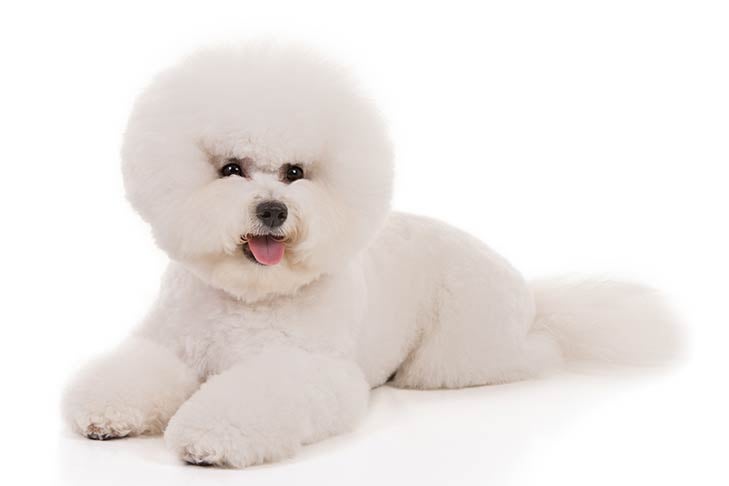
Bichon Frises are another small breed that's
perfect for apartment living. They have a gentle temperament, which means you
can trust them around your children and other pets. In fact, they often get
along better with other animals than humans! Bichons are also good for allergy
sufferers because of their hypoallergenic coat and lack of doggy odor. They
require very little exercise too—once or twice a day is more than enough to
keep these little cuties happy and healthy.
However, if you're looking for a dog who'll
be able to keep up with you on long walks through the park or help train you in
your running routine, then this might not be the right choice. Their diminutive
size means they don't have much energy (though they will try).
Looking for a small, low-maintenance dog
that's perfect for city living? Meet the Bichon Frise. This cheerful little dog
is known for being gentle, affectionate, and intelligent. Bichon Frises are
also hypoallergenic, which means they're a great choice for people with
allergies.
If you're thinking of adding a Bichon Frise to your
family, here are a few things to keep in mind.
1.
Bichon Frises are social creatures.
Like most dogs, Bichon Frises need plenty of
socialization. Without it, they can become anxious and withdrawn.
Make sure you're prepared to give your Bichon
Frise plenty of attention and affection. If you work long hours or travel
frequently, this may not be the right breed for you.
2.
Bichon Frises need regular exercise.
Bichon Frises are lively little dogs. They
need daily walks and playtime to stay happy and healthy.
If you live in an apartment or don't have a
lot of space for a dog to run, a Bichon Frise may not be the best choice for
you.
3.
Bichon Frises are relatively easy to train.
Bichon Frises are intelligent dogs that are
eager to please. With consistent training, they can learn basic obedience
commands and tricks.
4.
Bichon Frises are low-maintenance dogs.
This breed doesn't require a lot of grooming.
Their white coats only need to be brushed a few times a week.
5. Bichon
Frises are generally healthy dogs.
Like all breeds, Bichon Frises are
susceptible to certain health conditions. But, with proper care, they can enjoy
long, healthy lives.
If you're looking for a small, hypoallergenic
dog breed that's perfect for city living, consider a Bichon Frise. With proper
care and training, these cheerful little dogs can make wonderful companions.
Greyhound
Are you looking for a dog breed that is
perfect for apartment living? If so, you should consider the greyhound!
Greyhounds are one of the best dog breeds for apartment living for a number of
reasons.
For starters, greyhounds are relatively calm
dogs. They are not known for being high-energy or hyperactive, which makes them
ideal for apartment living. Greyhounds also have a low level of barking, so you
won't have to worry about your dog disturbing your neighbors.
Another reason why greyhounds are great for
apartment living is that they are relatively low-maintenance dogs. They don't
require a lot of exercise, and they can be left alone for long periods of time
without getting restless. Greyhounds are also relatively easy to train, so you
won't have to worry about your dog getting into mischief while you're away.
Despite their reputation for being speedy,
Greyhounds are actually quite lazy and love nothing more than a good cuddle on
the couch. They're also very low-maintenance when it comes to exercise, which
makes them ideal for city living.
If you're thinking of adding a Greyhound to your
family, here are a few things to keep in mind:
1.
Greyhounds need a lot of space.
While they're not particularly active,
Greyhounds do need a lot of space to stretch their long legs. If you live in a
small apartment, it's important to make sure that your dog has access to a
large yard or park where they can run and play.
2.
Greyhounds are sensitive souls.
Greyhounds are very sensitive dogs and can
get easily stressed or anxious. It's important to create a calm and relaxed
environment for your dog, and to avoid loud noises or chaotic situations.
3.
Greyhounds need a soft bed.
Because of their long, slender bodies,
Greyhounds need a soft, comfortable bed to sleep in. A mattress or pillow is
usually too hard for them, so look for a bed that's specifically designed for
Greyhounds.
4.
Greyhounds are escape artists.
Greyhounds are known for being excellent
jumpers, so it's important to make sure that your fence is tall enough to keep
your dog safely contained.
5.
Greyhounds are gentle giants.
Despite their size, Greyhounds are actually
gentle, loving dogs. They're great with children and make loyal, affectionate
companions.
If you're looking for a calm, low-maintenance
dog breed that's perfect for apartment living, the Greyhound is the perfect
choice!

Boston Terrier
When it comes to finding the best dog breeds
for apartment living, there are many factors to consider. Size, energy level,
and trainability are just a few of the things you'll need to take into account.
But
one breed that consistently ranks high on lists of the best dogs for small
spaces is the Boston Terrier. This lovable breed is known for being
affectionate and good-natured, two qualities that are essential in a pet that
will be spending a lot of time indoors.
Boston Terriers are also relatively
low-maintenance when it comes to grooming. Their short, smooth coats don't
require a lot of brushing, and they only need to be bathed once every few
months.
Another plus for Boston Terriers is that
they're relatively quiet dogs. They don't bark excessively, which is important
in an apartment setting where noise can be a nuisance to your neighbors.
If you're looking for a small dog breed that
is adaptable to apartment living, the Boston Terrier is a great choice. This
intelligent, affectionate breed will quickly become a beloved member of your
family.

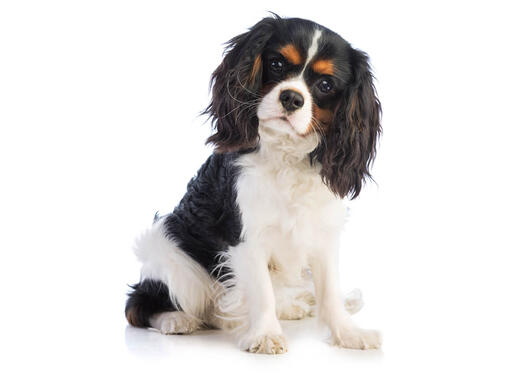
Cavalier King Charles
Spaniel.
Do you live in an apartment or condo and are
looking for the best dog breed for your lifestyle? If so, you may want to
consider a Cavalier King Charles Spaniel.
These dogs are small, but don't let their
size fool you - they are full of energy and love to play. They are also very
affectionate and make great companions.
Cavalier King
Charles Spaniels are one of the best dog breeds for apartment living because
they are relatively quiet and low-maintenance. They don't need a lot of
exercise, but they do enjoy taking walks and playing fetch.
This beautiful breed is known for its loving
and friendly personality, and its ability to get along well with people and
other animals. Cavaliers are great for families with children and make
excellent companions for seniors. They're also one of the best dog breeds for
apartment living.
Here are a few tips to help you choose and care for
your Cavalier King Charles Spaniel:
1.
Choose a reputable breeder.
When you're looking for a Cavalier King
Charles Spaniel puppy, it's important to choose a reputable breeder. A good
breeder will be able to provide you with information about the health and
temperament of the parents and will have raised the puppies in a clean and
healthy environment.
2.
Socialize your puppy early.
Cavaliers are social dogs who love being
around people. It's important to socialize your puppy from an early age so that
they're comfortable around different people, animals, and situations.
3.
Provide plenty of exercise.
Cavaliers are playful and active dogs who
need plenty of exercise. A daily walk or play session will help keep your
Cavalier happy and healthy.
4.
Keep up with grooming.
Cavaliers have long, silky coats that require
regular grooming. Brush your Cavalier's coat a few times a week to prevent
tangles and mats. You may also need to have your Cavalier's coat trimmed or
clipped by a professional groomer every few months.
5. Be
prepared for shedding.
Cavaliers are moderate shedders and their
coat can be affected by the seasons. You may find that your Cavalier sheds more
during spring and fall. Regular brushing will help to minimize shedding.
6.
Protect your Cavalier's ears.
Cavaliers have long, floppy ears that can be
susceptible to infection. Keep your Cavalier's ears clean and dry to prevent
ear problems.
7.
Feed a high-quality diet.
Cavaliers are prone to weight gain, so it's
important to feed them a high-quality diet that's appropriate for their age and
activity level. Ask your veterinarian for recommendations.
8.
Visit the veterinarian regularly.
Cavaliers are generally healthy dogs, but
like all breeds, they're susceptible to certain health problems. Be sure to
take your Cavalier to the veterinarian for regular check-ups and vaccinations.
If you're looking for a small, loving, and
adaptable dog breed, the Cavalier King Charles Spaniel may be the perfect
choice for you!
A good dog to have in
an apartment needs to be quiet, well-trained, and don't need as much exercise
as some of the bigger breeds.
The best dogs for apartment living are
typically those that are quiet, well-trained, and don't need as much exercise
as some of the bigger breeds. Breeds like the Affenpinscher, American Eskimo
Dog, Australian Terrier, Basset Hound, Beagle, Bichon Frise, Boston Terrier,
Brittany, Bull Terrier, and Cairn Terrier are all good choices for apartment
dwellers.
Of course, every dog is different and there
are always exceptions to the rule. Some larger breeds like the Boxer and Golden
Retriever can be just as good for apartment living as the smaller breeds, as
long as they are properly trained and exercised. And even some of the smaller
breeds can be a bit too yappy for apartment living, so it's important to do
your research before choosing a breed.
If you're looking for a good dog to have in
an apartment, be sure to consider all of your options and find the breed that
best suits your lifestyle.
When you’re looking for a dog to bring into your apartment, it’s
important to consider what kind of lifestyle it will lead. Some dogs need more
room than others, which is why we think these 10 breeds are some of the best
for apartment living. They are all quiet, well-trained and don’t need as much
exercise as some bigger breeds might require.
Comments
Post a Comment