How to get your cat to stop scratching the furniture

Cats are wonderful pets, but they do have a few habits that
can be annoying. One of the most common is scratching furniture. If you have a
cat, you know what I'm talking about: you come home to find your furniture
covered in white, fluffy claw marks. It's not very nice to look at and it's
even less fun when your cat scratches the couch while you're watching Netflix
on it! Luckily, there are some simple ways to stop your cat from scratching
your stuff so that both of your lives can be easier and happier.
In this post I will explore some of the reasons why cats
scratch things (and why we sometimes encourage them), as well as cover some
strategies for getting kitty off her claws so that both of you can enjoy life
more fully together!
Identify the reasons your cat is scratching furniture.
If
your cat is scratching furniture, there's a good chance that she's not doing so
just because she wants to. Cats don't scratch for the sake of scratching or
pleasure—they do it to mark their territory, relieve stress and anxiety,
distract themselves from boredom or loneliness, and even maintain healthy
claws. So if your cat is scratching up your couch armrests every morning at 8
a.m., it's important to figure out why she's doing so before taking any steps
in correcting her behavior (and stop calling her "bad").
Here
are some common reasons why cats scratch:
- They're marking territory. Cats
have a strong sense of smell (they can detect over 100 different odors),
and they use their paws as a way of leaving behind scents when they rub
against objects like furniture or carpeting. This can be annoying if
you've already vacuumed up all the cat hair around your house! But not
only does this behavior prevent other cats from invading each other's
territories; it also helps create familiar smells around areas where they
spend most of their time (like on top of our coffee table). If you notice
that your pet has started scratching more than usual lately...this could
be why!
- They're
bored/lonely/tired/stressed out/etcetera—and need something else fun to do
besides sitting still all day long while staring into space while we're
away at work all day long every weekday without fail Monday through Friday
morning until 5pm when we get back home again every evening except
weekends since then we'll still be working instead having time off from
work so there would never really be any reason for us ever needing days
off unless maybe we got sick but even then doctors don't prescribe being
sick unless it gets too bad where maybe now might be one such day...
Try to find solutions to the scratching behavior that don't involve punishment.
The
first step is to make sure you’re not only confusing the issue, but that you’re
not inadvertently punishing your cat for scratching in an effort to get them to
stop. This is important because punishment will only make things worse. Your
cat may associate the yelp and the “no!” with the furniture they love so
dearly, so they will continue to scratch it out of spite or because they think
you are rewarding their behavior by yelling at them or slapping them on the
nose.
Try
to figure out what it is about this particular piece of furniture that draws
your cat's attention in such a positive way. Is there something about its
texture? The sound it makes when your cat scratches? If it turns out that there
are other items around that hold similar qualities as this one piece of
furniture does (i.e., something soft and durable), then maybe those objects
could act as substitutes for when your cat needs some stress relief.
Make changes to your cat's environment and lifestyle that may help stop the scratching.
The
following methods might help your cat to stop scratching the furniture:
- Make sure your cat has plenty
of toys and scratching posts.
- Make sure your cat has enough
space to run around.
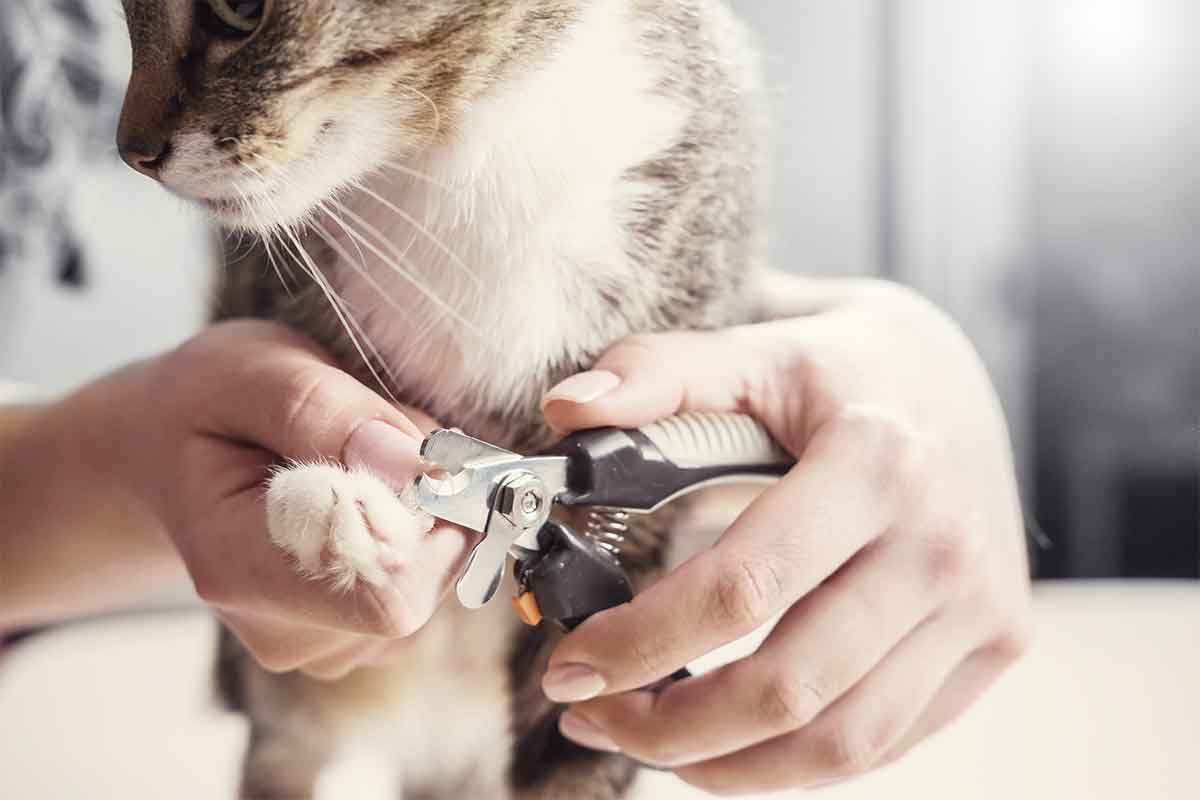
- Keep the cat's nails trimmed
regularly.
- Make sure your cat is getting
enough exercise and playtime with you (and other cats, if there are any)
each day so that he doesn't use the furniture as an outlet for pent-up
energy or frustration.
If punishment is necessary, find a consistent and effective method.
Punishment
is a controversial method of training, and many cat experts are opposed to it.
If you choose to use punishment with your cat, there are several things you should
keep in mind:
- The punishment should be
consistent and effective:
- Use a water spray bottle or
another loud noise to startle the cat when it scratches the furniture.
Don't overdo this—if you use the same sound repeatedly, your cat will
eventually become desensitized and no longer understand why it is being
punished for scratching the furniture.
- Don't use an electric shock
collar or other type of physical punishment; these methods are
unnecessarily cruel (and ineffective).
Give them a scratching post.
Here's
something that might surprise you: your cat doesn't want to scratch furniture.
They really don't. It's not their fault, either; cats are just built to
scratch. Your cat might be scratching because they're bored or annoyed by
something in your house, but even if that happens, it doesn't mean that they
want to ruin your furniture and carpets.
The
best way to keep them from ruining the things you love is by giving them
something else to do with their claws! Scratching posts give cats a more
satisfying outlet for their natural instincts than scratching furniture
does—and since cats prefer tall and sturdy posts over short little ones (which
can topple over), finding the right kind of post won't be hard at all!
When
shopping for a new post for your kitty friend, look for one made from wood or
carpeted cardboard with corrugated paper hanging off the sides (this helps them
get a good grip). Make sure it's tall enough so they can stretch fully when
using it but still sturdy enough so as not fall down even when pushed over by
an excited feline (a good rule of thumb here is six times taller than his
length).
Dangle and move catnip toys on the furniture to divert attention away from the furniture.
If
your cat's claws are more of a "scratch" than a "scratch,"
consider trying to divert their attention away from the furniture. Catnip toys
are fun for them and more importantly, they're great at diverting their
attention away from the furniture. If you're not sure how to use catnip toys,
there are plenty of tutorials out there on YouTube (or just search "catnip
toy tutorial"). Another possibility is to teach your cat positive habits
by rewarding good behavior with treats or even just praise. You could also try
playing games like fetch or hide-and-seek with them so that they learn how much
better it feels when they interact with objects other than your furniture!
Place aluminum foil, double-sided sticky tape or plastic carpet protector with spikes on furniture.
Aluminum
foil, double-sided sticky tape and plastic carpet protector with spikes can
also be effective. The cat will not like the feel of aluminum foil on its paws,
so it will avoid scratching or biting the furniture.
Double-sided
sticky tape is another option that sticks to your furniture but not to your
pet's feet. Make sure you select a type that won't harm your cat if it gets
stuck there for too long!
Plastic
carpet protector with spikes is a good option if you have hardwood floors or
other types of flooring in addition to carpets in your home. This kind of
product works by creating an unpleasant sensation on its paws when walking
across it--so much so that cats may not even want to walk through the area
again!
Keep your cat's nails trimmed.
The
easiest way to keep your cat's nails trimmed is to schedule regular visits with
a groomer, who will trim your cat's nails for you. If you're uncomfortable
doing that, or if you have other people living in the house and might not be
able to keep up with all of their appointments, then you can buy clippers
yourself at any pet store.
The
trickiest part of nail trimming is getting your cat used to the process. Some
cats will accept it right away; others may take weeks (or even months) before
they come around. You'll know your cat has accepted the idea when they don't
try to run away as soon as they see the clippers coming out of their drawer. If
this doesn't work right away, start by giving them treats every time you clip
off one or two of their nails—this will teach them that being handled by humans
isn't always a bad thing!
You
should only clip off about half an inch from each nail at first—if there's
still too much tension on them after six months or so (when most adult cats
have gotten used to having their feet touched), then go ahead and cut more off
after talking with a vet about how much would be safe for your particular
kitty.[/caption]
It's
important that these sessions are enjoyable for everyone involved; otherwise,
it can lead down a dark path where no one wants anything to do with each other
again!
Spray furniture with citrus spray or cologne.
You
can also spray citrus-scented products on your furniture. The smell will be
unpleasant for your cat, much like you wouldn't want to sit in the same room
with a handful of onions.
If
this is something that interests you, there are tons of options available
online and at pet stores. Just be sure to test the product out on an
inconspicuous spot first before using it around your couch or bed frame.
Give your cat an alternative place to scratch, such as a carpeted post or scratching board.
If
your cat is scratching the furniture, give him or her a place to scratch that's
not your couch. You can buy a carpeted post or board at pet stores, or you can
make one yourself by attaching carpeting to an old ladder. Some cats also like
tall posts that they can stretch their back legs on while they scratch.
If
your cat prefers the fabric of your furniture to these alternatives, try
covering it with cedar shavings or some other scent that cats don't like (see
Cat Scratching Solutions).
Takeaway:
As
you can see, cats need to scratch. They have long claws that need to be kept
sharp and healthy, so they will continue to be useful in the wild. If you've
tried everything and your cat is still scratching up your furniture, consider
that you may have not found their favorite scratching spot. Once you find where
they like to scratch, try redirecting them there instead of just getting mad at
them for doing what comes naturally!
If
it's too late for this method or if it doesn't work, try making some changes
around the house that will deter your cat from scratching as much. For example:
- Move all of their favorite toys
into a different room (and make sure there aren't any other toys in the
way)
- Block off areas where they
would normally want to sit (or build an outdoor cat fence)
- Get rid of rugs in favor of
hardwood floors
Conclusion
Cats
can be a lot of work, but they make great companions. If you have a cat that is
scratching your furniture and you're tired of it, there are many ways to stop
this destructive behavior. You'll need to identify the reason for why your cat
is doing it in the first place before fixing any problems though so that's
important! It can take some time but eventually you will find what works best
for both parties involved: human being or feline friend?
Comments
Post a Comment