How to Teach Your Dog to Come When Called
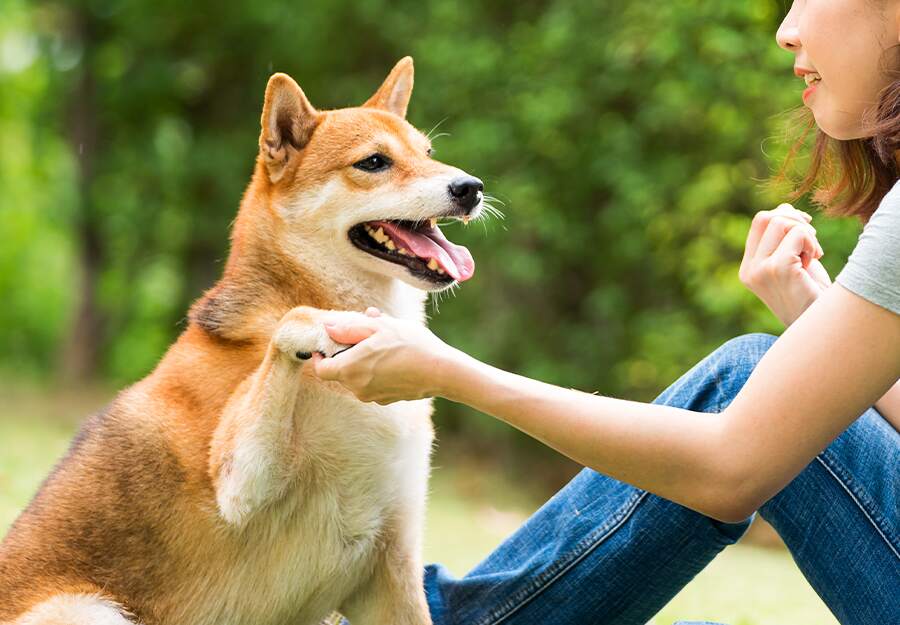
Dog training is one of the most important things you can do
for your pet. It's also a great way to bond with your pup and teach them some
basic obedience commands. One of the most essential dog training skills is
teaching your pup how to come when called. It's important that every dog knows
this command—it could save their lives someday! Here are some tips for teaching
your dog "come" with ease:
Discuss the
importance of obedience training your dog.
You
should also discuss the importance of obedience training with your dog. This
includes teaching them to come when called, sit, and stay. Obedience training
is an excellent way to build trust between you and your dog as well as teach
them self-control.
When
it comes to teaching your dog to come when called, there are several different
methods:
- Clicker training - You can use
this method by clicking a clicker and then giving them a treat after they
respond correctly.
- Positive reinforcement - This
means that instead of saying “no” or punishing your dog for not obeying,
you will reward them with treats or affection if they do obey you
properly.
It's
important that when you train your dog, you are consistent with their commands
so that they know exactly what behavior is expected from them in any given
situation."
The
clicker method is useful because it allows your dog to associate a specific
sound with a reward. They will learn that when they hear the clicker, they
should move in the direction of whatever behavior you have asked them to
perform. The positive reinforcement method can be particularly effective if you
are trying to teach your dog not to jump up on people or other dogs by
rewarding them for sitting politely instead of jumping up.
Teach your dog to
sit, stay, and come when called.
When
training your dog to come when called, it's a good idea to start with a command
that he already knows. Sit and stay are great places to start. A good rule of
thumb is that if the behavior you're trying to train is something new or
different from what your dog already does on his own, it may take longer than
five minutes for him to learn this new skill—but don't worry! With patience and
consistency, your pup will get there in no time.
When
you're ready, say "come," and then clap or make some other noise so
that he knows exactly what you want him to do next: run towards you at full
speed! When he reaches where you're standing (or sitting), reward him by
opening up the bag of treats and giving him one as soon as possible. Then,
repeat this process until he comes running whenever he hears his favorite word
paired with another command word like "sit" or "stay."
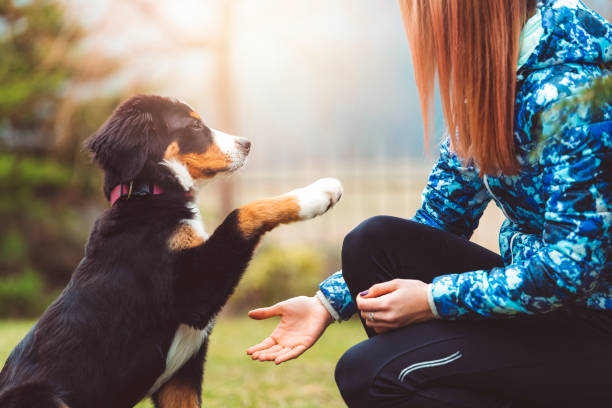
Use positive
reinforcement to reward your dog when they obey commands.
Positive
reinforcement is just as important as the training itself. When your dog obeys
a command, reward them with treats, petting, praise, toys and games of fetch.
This will help your dog learn that obeying your commands is fun and rewarding!
This
is a great way to teach your dog the difference between good and bad behavior,
as well as get them excited about training.
Be consistent with
your training, and be patient with your dog.
- Be consistent with your
training.
Make
sure you're always giving your dog the same commands, in the same tone of voice
and with the same motions. That way they'll know what they're supposed to do
when they hear those words or see that gesture.
- Don't give up if your dog
doesn't get it the first time.
Dogs
need lots of practice before they get something right, so don't be discouraged
if yours doesn't get it right away! Just keep trying until he does understand
what you want him to do before moving on to another lesson.
- Don't be too hard on your dog
if they make a mistake (or mess up on purpose).
Reward your dog when
he or she comes when called.
Once
your dog comes when called, it's important to reward him or her. This will help
reinforce the behavior and encourage him or her to come again in the future.
You may use treats, affection, or even a game of fetch with your dog as a
reward for coming when called. Be consistent about how often you give these
rewards so that your dog knows what's expected of him or her and continues
performing the behavior accordingly.
You
should also be patient with your dog if he or she doesn't respond immediately
to being called away from an activity such as digging in the garden. It could
take some time for them to get used to responding quickly enough that they can
be rewarded every single time they come when called! A good rule of thumb is
10-15 repetitions per day before moving on to another phase of this training
program (see below).

Alternate between
teaching your dog and playing with him or her.
If
you want to train your dog, remember to play with him or her before and after
each training session. Play with your dog when he or she is in a good mood and
when he or she is in a bad mood.
Do
not leave out the treats!
Exercise your dog
before taking him or her out to play.
Letting
your dog run around and play with other dogs is a great way to get them excited
about being out in the world. If you have time, try taking your dog to the
local park or beach where there are plenty of other dogs (and humans!) for him
or her to interact with. This can be especially beneficial if your dog has
issues with separation anxiety at home, because it's easier for him or her to
stay distracted when there's constant activity happening all around them!
If
you don't have time for this sort of excursion, another option is simply taking
your dog on a long walk around the neighborhood before heading back inside.
This will help burn off some of that pent-up energy while also getting them
familiarized with their surroundings so they'll feel less anxious when left
alone later on in the day."
Practice, practice,
practice!
For
the next few weeks, you will be practicing your recall. Practice in a variety
of locations, with different people and in different environments. Practice
when there are distractions (like children playing) to show your dog that
coming when called is a great reward for being obedient.
Practicing
commands like “come” is not something that should be done just once or twice;
it's something that needs to be reinforced often! If you're teaching a puppy or
young dog to come when called, start off by rewarding them every single time
with praise and treats for obeying. As they become accustomed to hearing this
command, slowly move away from giving them treats every time until finally
there are no rewards given at all—just an enthusiastic verbal response from you
as well as another person calling out their name or making some type of noise
such as clapping their hands together lightly.
Conclusion
Teaching
your dog to come when called is a useful skill that can be used in many
situations. Teaching your dog to come may seem like a difficult task at first,
but it’s only as hard as you make it. The key to teaching your dog to come when
called is consistency and patience. It’s important not to get frustrated if
your dog doesn't understand what you want at first – keep training sessions
short and fun so that he or she doesn't get bored or confused!
Comments
Post a Comment