How Often Do You Take Your Cat To The Vet
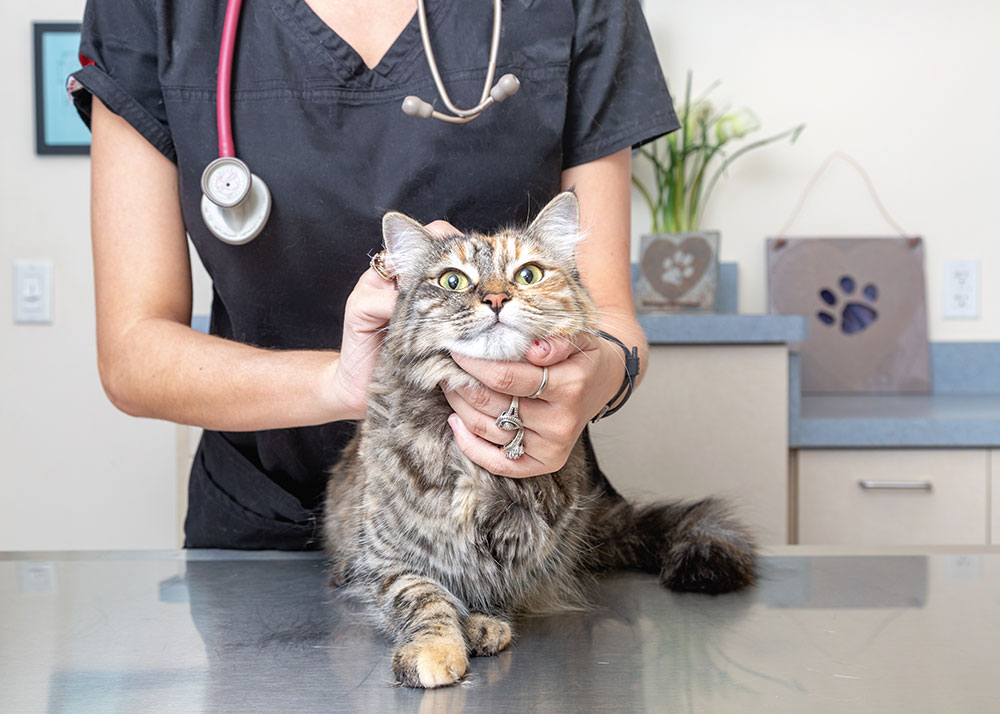
How often should you take your cat to the vet? The answer
depends on what type of cat you have, as well as its age and health. If your
cat is young and healthy, it probably won't need to go to the vet very often at
all—maybe only once or twice a year for vaccines or checkups. On the other
hand, if your cat has an ongoing medical condition such as arthritis or
diabetes (and many do), then it may require regular visits to maintain its
health.
If you've never had a pet before and don't know how often
they should go to the vet, just ask yourself: "Does my pet look
healthy?" If so, then great! You can probably wait another six months
before taking them in again for their next checkup. If not… well… then maybe
it's time to start making some appointments
The
importance of veterinary care for your cat
Your
cat is an important member of your family, but did you know they need to be
regularly checked out by a veterinarian? Your cat's health can be affected by
many things: diet, stress, and general lifestyle. Vets are trained to give your
furry friend the best care possible, including vaccinations and checkups.
Cats
need regular checkups to ensure they are still in good health. If a problem
arises that requires immediate attention, such as an upper respiratory
infection, your vet will be able to diagnose it and treat it quickly so that
your pet does not have to suffer. In fact, many vets will offer same-day
appointments if your cat is sick or injured!
Cats
should also have yearly checkups with their vet because they age faster than
dogs do, which means that they might develop certain diseases earlier than dogs
would if they were the same age (for example: kidney failure). Vets can detect
these issues before they become serious or life threatening which means that
treatment will be much more effective when caught early on!
The
different types of veterinary care your cat may need
- Vaccinations
- Spaying and neutering
- Dental care
- Dietary advice
- Emergency care (like if your
cat gets into a fight)
- Hospitalization (in the case of
serious illness)
The
different types of cats and their veterinary care needs
Cats
are a popular pet choice in the United States, and they can be a wonderful
addition to any household. However, when it comes to their veterinary care
needs, there are important differences between different types of cats—and this
can make a big difference in the best way for you to take care of them.
The
first thing to consider is whether your cat is an indoor or outdoor cat.
Outdoor cats generally have less specialized medical needs than indoor pets
because they spend less time around humans and don't usually contract as many
diseases that are spread by cats and other animals. However, outdoor cats are
more likely to get injured by cars or other animals, so they may need regular
checkups and possibly treatment for wounds or injuries they've suffered while
outside.
Indoor
cats also have different needs than outdoor pets because they're spending more
time around humans (and therefore at risk for contracting contagious diseases).
Indoor cats should be seen by a veterinarian at least once per year, but
ideally twice per year—especially if they're older than seven years old. This
allows the vet to ensure that your cat's lifestyle is healthy enough to support
its longevity and overall health into old age!
The
factors that may influence your decision to take your cat to the vet
There
are many factors that may influence your decision to take your cat to the vet.
The
first is health. If you have a healthy cat, there's no reason to take them to
the vet unless you want to. However, if your cat has a health issue, then it's
probably a good idea to get them checked out by a professional. You should also
consider taking your cat to the vet if they seem sick or if something just
feels off about their behavior or general well-being.
Another
factor influencing whether or not you decide to take your cat to the vet is
safety. For example, if you're planning on traveling with your cat and they've
never done so before, it would be smart to get them checked out before leaving
so that they aren't stressed by the experience or injured during travel.
A
third factor influencing whether or not you decide to take your cat to the vet
is cost. If taking your pet in for an examination will cost more than what you
can afford, then it might be better for both of you if you skip this step
altogether and just try some home remedies instead (which could end up costing
less than going through traditional veterinary care).
Finally,
another thing that can influence whether or not you decide to take your cat to
the vet is whether or not you have time. If you have a busy schedule and can't
take off work for an appointment, then it might be better to try some home
remedies instead of putting your cat through an exam.
The
benefits of regular veterinary care for your cat
- Regular veterinary care for your cat can help to keep
him healthy and prevent illness.
- Regular veterinary care for your cat helps to prevent
diseases from developing into more serious conditions, which can be
costly, painful and even life-threatening.
- Regular veterinary care for your cat helps to prevent
disease transmission from pets to people or other animals in the
household, including other cats if you have them as well.
The
costs of veterinary care for your cat
The
costs of veterinary care for your cat can vary greatly, depending on the type
of service provided and the clinic where you choose to go. However, if you are
looking for a low-cost option that still provides high-quality care, you may
want to consider an animal shelter or rescue organization.
Many
cities and towns have animal shelters that offer low-cost or free spay and
neuter services as well as other health care services for cats at reduced
rates. These organizations often rely on donations from the community and
government grants, so it is important to ask about their funding sources before
deciding whether or not to bring your pet in for treatment.
Some
veterinarians will also offer discounted rates for clients who pay with cash or
have limited means of payment; however, it is important that you understand
what this discount actually means before setting foot inside their office
because some clinics have incentives in place that could make such an offer
seem more appealing than it actually is. For example, some clinics will offer
discounts up front but then charge additional fees later on down the line when
they claim they didn't receive all their money up front (which is illegal).
If
possible, it is best to pay for your pet's medical care in full before leaving
the clinic so that you do not have to worry about any hidden costs later down
the line.
The
factors to consider when making a decision to take your cat to the vet
When
you're looking at cat health, there are a lot of things to consider. You want
to make sure that your cat is getting the best care possible, and that means
considering everything from the type of immune system your cat has to whether
or not they have allergies.
But
what about when you're making a decision about whether or not to take your cat
to the vet? This can be a tough call, especially if you're worried about money
or time. However, it's important not to underestimate the importance of taking
your pet in for regular checkups and vaccines.
When should I take my cat in?
First
off, you need to know when it's time for a checkup. A good rule of thumb is six
months after they've been adopted into your family—but it's also important to
keep an eye out for changes in behavior throughout their lives. If your cat
seems to be having trouble breathing or experiencing pain during urination or
defecation, then it's time for an appointment with the vet!
What should I expect during a visit?
Your
first appointment will probably include some tests (such as blood work) and an
exam by a doctor or nurse practitioner who specializes in cats (or dogs). If
there are any issues found during this initial visit, you may need to come back
for more tests or treatments. If everything looks good, then your vet will
provide you with a plan to keep your cat healthy.
Conclusion
With
all the different factors to consider and the benefits of regular veterinary
care, it’s important to take your cat in for their annual checkup.
Comments
Post a Comment