How Do I Get My Dog to Stop Eating Poop?

Is your dog eating poop? You're not
alone. It happens to the best of us. But, as with any problem in our lives,
it's important to figure out what's causing your dog to eat his own poop and
then take action accordingly (or laugh about it). If you haven't already done
so, I suggest reading on to learn why dogs eat poop, how to stop them from
doing it, and what you need to do if they're suffering from a serious condition
like parasites or worms.
Your dog’s health
and behavior are important, so it helps to know the reasons why they are eating
their own feces. You may be surprised by what you learn.
There are many
reasons why dogs eat their own feces or the feces of other dogs and cats. Some
common ones include: hunger, boredom, lack of stimulation and attention, stress
or anxiety (which can also lead to aggression), parasites like worms or
coccidia (a protozoan parasite that causes diarrhea), illness such as
inflammatory bowel disease (IBD) which includes ulcerative colitis and Crohn's
disease—both forms of chronic inflammation in the gut—or in extreme cases even
cancer!
If
your dog eats his own poop, you’re not alone.
Your dog may be
eating poop because of a natural instinct to eat his own feces. A dog’s
digestive system can only absorb so much energy from food, and the rest is
released in their urine and feces. If your dog has not been fed enough food or
if he has an imbalance in his diet, he may need to supplement with what little
nutrition he can get from his own waste.
If you are
concerned about your pup's behavior, it is important to consult with a
veterinarian. Eating poop can lead to health issues like diarrhea or other
gastrointestinal problems; the sooner these issues are diagnosed and treated,
the better off your canine will be.
Don’t
leave poop around.
The first thing
to do is stop leaving poop around. If you want your dog to stop eating poop,
then you will have to be proactive in your efforts. This means making sure that
you clean up after your dog and keep any poop left on the ground in a sealed
container or, if there isn’t one available, bagging it up and placing it inside
another garbage bag.
If this sounds
like too much work for you, then we understand! In fact, most people who feed
their dogs food they can also purchase treats made specifically for this
purpose (like Greenies), but these can be expensive over time. The goal is
simply to prevent their dogs from getting into an unhealthy habit while they
train them not to eat their own excrement in the first place.

Before
you start to freak out, try to figure out why your dog is eating poop.
It's important to
remember that this is not the end of the world. It's not a sign of aggression,
illness or boredom. Your dog isn't trying to dominate you by eating poop.
It's also
possible that your poo-eating pup has gotten into a habit of eating other dogs'
droppings as they're fresher than his own. This means he could actually be
eating more than just poop; he may have picked up some serious health issues
along with it! To find out if this is true, try keeping an eye on him when you
take him outside and see if he does anything strange around other dogs' feces
before or after yours goes down.
It
doesn’t have anything to do with you.
I know, I know.
This is a question that you've been asking yourself for years. You're not
alone. And the answer is: it doesn't have anything to do with you.
So, why are dogs
so fascinated by poop? Who knows! But the fact is that they are, and it's
important to understand that this behavior isn't something you can change by
punishing your dog or even by rewarding them with treats for not doing it.
One reason your
dog might be eating their own poop is because they don't have enough fiber in
their diet, so adding more fiber can help with this problem. Another
possibility is that your dog has worms—if this is the case, you should talk to
your vet about treatment options as soon as possible!
You
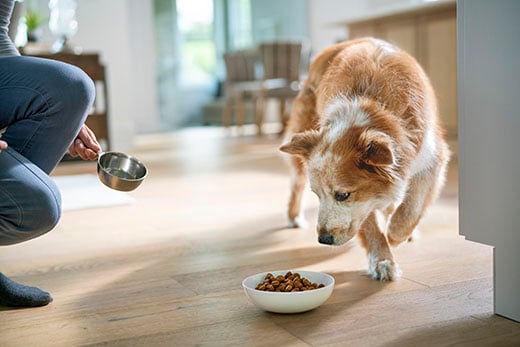
might need to change up his diet.
The first thing
to consider is your dog's diet. If your dog is eating low-quality food, he may
be getting too many carbohydrates and not enough nutrients. Carbohydrates can
lead to digestive problems, which in turn can cause him to eat poop or other
things that are unhealthy for him. You should check the ingredients list on the
label of the food you are feeding your dog and make sure it contains no
artificial preservatives or unnecessary fillers.
If this doesn't
solve the problem, try changing his diet by feeding him raw food instead of
canned or dry food. Dogs are carnivores, so they need real meat in their diets
(not just vegetables). They also need more fiber than most commercial pet foods
provide because they cannot digest grains very well at all!
You
could try a supplement.
One of the main
issues in dogs eating poop is that they might have an underlying digestive
issue. A probiotic supplement can help with various issues, including diarrhea,
constipation and gas. It's also great for treating bad breath and nausea that
come along with eating poop. This can be an effective solution if you're not
sure what's causing your dog's behavior or if you aren't able to figure it out
on your own.
Probiotics are
live cultures found in some food products that are designed to improve gut
health by increasing the number of good bacteria in the body (probiotics) and
decreasing harmful bacteria (antibiotics). They may also help relieve
occasional digestive upset caused by changes in diet or stress. The best way to
get these beneficial bacteria into your system is through foods such as yogurt,
kefir, kombucha tea or supplements like MegaSporeBiotic® Advanced Probiotic
Formula which has 15 billion live cells per serving that survive stomach
acidity allowing them time to colonize throughout your entire digestive tract
where they'll help maintain optimal balance.*
Try
training your dog to not eat poop.
If you want your
dog to stop eating poop, you can try training him to do so using a few simple
steps. The first thing you'll need to do is get him excited about something
else. You can do this by providing a treat whenever he successfully does something,
like sitting or laying down. If a treat isn't working for him, try playing with
him or giving him attention instead. Once he's excited about something other
than pooping and eating it, then use that excitement to help him associate
pooping with something negative.
You can do this
by either squirting water in his face when he goes to eat his poop or yelling
at him when he goes to eat it. After doing this enough times, he'll start
associating eating poop with getting sprayed with water or getting yelled at
and will stop eating it altogether!

Talk
to your vet about your concerns.
If you're
concerned that your dog may have a health issue, it's important to talk to your
vet. They can check your dog's stool and urine for possible signs of illness,
as well as give a thorough physical exam. Your vet will know if there are other
things that could be causing your dog to eat poop, including food allergies or
digestive issues such as irritable bowel syndrome (IBS).
Any
issues that include poop should be discussed with a vet immediately!
It's important to
know that if your dog is eating poop, it's a sign of an underlying problem that
needs to be treated. The vet will be able to diagnose and treat the issue, so
don't delay in getting him checked out!
Some of the reasons for this are:
-They may have
worms or other parasites that need to be treated so they stop bothering your
dog and make them sick.
-They may have a
health issue that is causing them pain and discomfort, but does not show any
symptoms outwardly (like vomiting). In these cases, an x-ray or blood test may
be necessary to determine what is going on internally.
In
Summary
There is no need
to get angry with your dog if he eats his poop. It's not a sign of disrespect
or anything like that. And it doesn't mean he thinks you're not feeding him
enough food, either, because he could just want to eat his own waste for any
number of reasons.
If you suspect
that your dog might have a medical condition causing him to eat his stool (and
if you suspect this, please see your vet), then try changing his diet so that
he gets more fiber from vegetables and less from dry food.
If your dog has a
healthy diet but still eats poop, then it may be time for some professional
help: there are several behavioral therapies available through trainers and
behaviorists who specialize in these issues.
Your vet will
also know how best to proceed with treating any underlying physical issues
before they become serious health problems further down the line: most dogs who
ingest feces only do so due to curiosity or stress over separation anxiety;
once these problems are addressed via training techniques such as
counterconditioning and desensitization, the behavior should stop
on its own without needing further intervention unless something else crops up
which causes distress among both owner and pet alike.
In the future, if
you have any concerns about your dog’s health, it’s best to check in with a vet
before making assumptions. While you may be able to diagnose some conditions on
your own (such as worms), others require experience and expertise that can only
be gained through years of study and practical application—not just reading up
on the subject.
Conclusion
Enjoy your dog,
but don’t let him eat poop! You may not be able to control whether or not he
does, but you can make sure that he doesn’t have access to it. If you suspect
any health issues or a problem with your pooch’s digestive system, talk to your
vet about what might be going on. Eating poop is something that shouldn’t be
taken lightly—it could be a sign of something serious!
Comments
Post a Comment