Adopting a Shelter Dog vs. Buying One from a Breeder
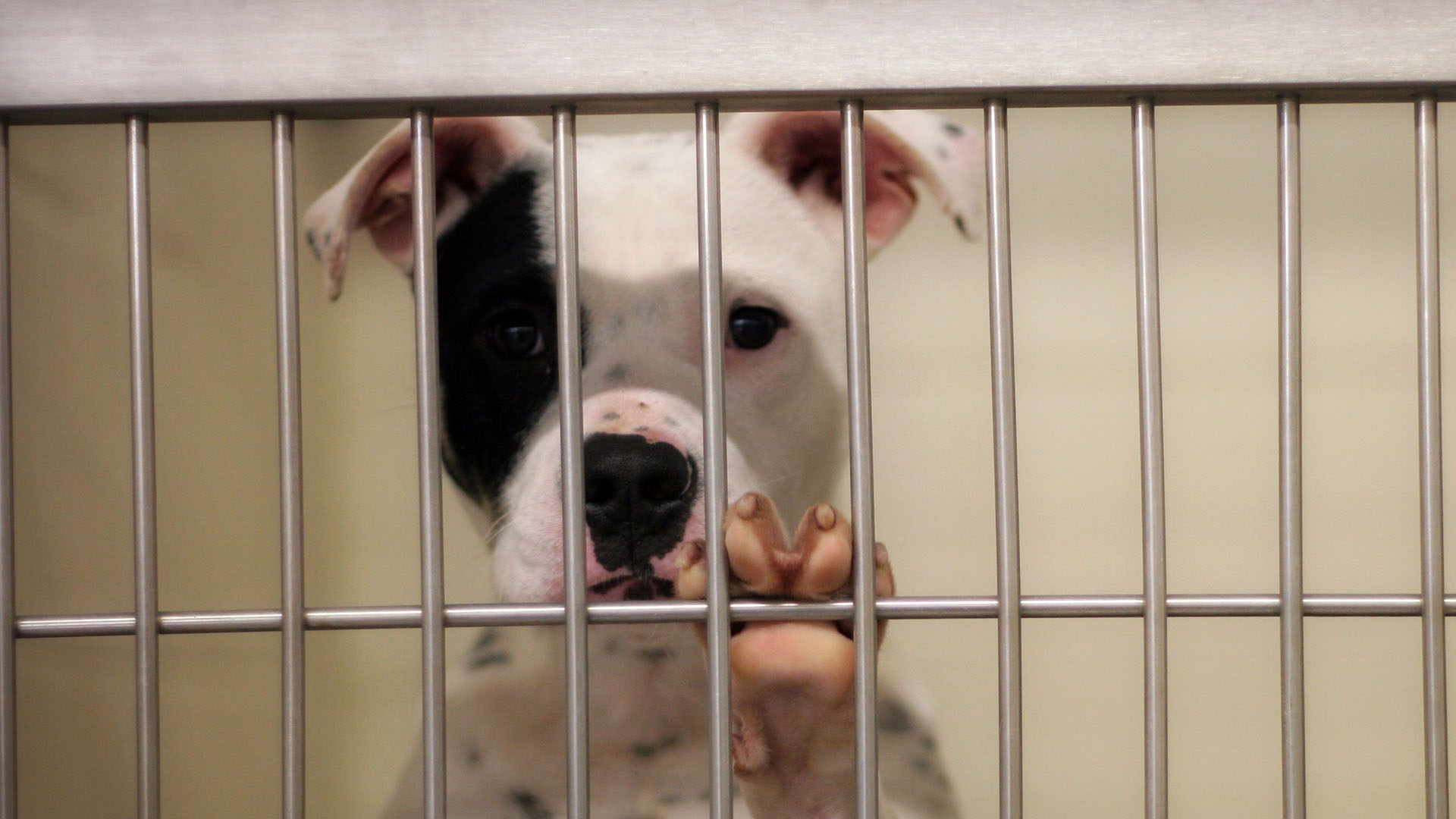
Adopting
a shelter dog vs. buying one from a breeder is a choice most people make at
some point in their lives. For some, the decision is easy: adopt! For others,
it's not so clear-cut.
In this
article, we'll help you figure out which option is best for you and your
family.
Adoption is cheaper
than buying a new dog.
If you're thinking about getting a new dog,
you may be wondering if it's cheaper to adopt or buy one. The answer may
surprise you – adoption is almost always cheaper than buying a new dog!
There are a number of reasons for this.
First of all, when you adopt a dog, you're often getting them from a shelter or
rescue organization. These organizations are typically run by volunteers who
are passionate about dogs and their welfare. They often have very low overhead
costs, so they can offer dogs for adoption at a fraction of the cost of buying
a new dog from a breeder or pet store.
Another reason adoption is cheaper is that
most dogs who are up for adoption are already spayed or neutered. This means
that you won't have to pay for these procedures yourself, which can add up
quickly. Additionally, many shelters and rescues provide basic vaccinations and
other preventive care for their dogs, so you won't have to pay for those
either.
But if you have your heart set on buying a
purebred puppy, expect to pay between $200
and $1,000 for one.
It’s easy to adopt a dog from a
shelter. Here are the steps!
1. Find a dog.
2. Get the paperwork ready: You’ll need to
bring your ID, proof of address, and proof of income (if applicable).
3. Meet with a staff member: They will
explain their adoption process, answer any questions you have, and help you
choose the right dog.
4. Complete an adoption contract: You’ll sign
this paper before you leave with your new pet!
5. Take your new best friend home!
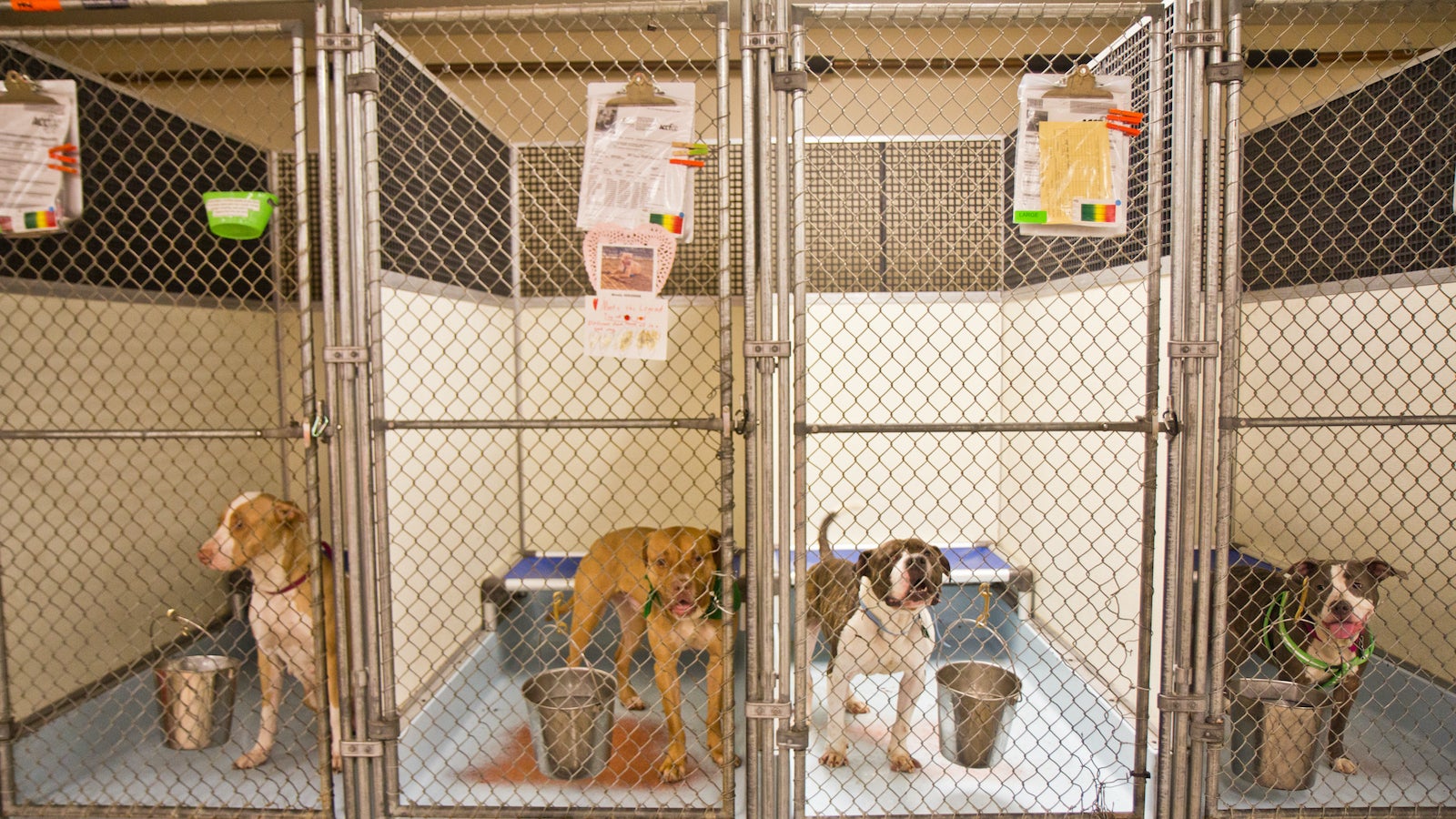
Shelter dogs are less
likely to have medical problems than breeder dogs.
We all want what's best for our furry
friends, and when it comes to their health, we want to make sure they're
getting the best possible care. But what many people don't realize is that
shelter dogs are actually less likely to have medical problems than dogs from
breeders.
There are a number of reasons for this.
For one, shelter dogs are typically spayed or neutered, which can help reduce
the risk of certain health problems down the road. They're also usually
up-to-date on their vaccinations, meaning they're less likely to contract
diseases.
Another reason shelter dogs are typically
healthier is because they're more likely to have been socialized. This means
they're used to being around people and other dogs, and they're less likely to
be fearful or aggressive. This socialization can go a long way in preventing
health problems later on in life.
Of course, every dog is different and there's
no guarantee that a shelter dog will be completely free of health problems. But
the odds are definitely in their favor. So if you're looking for a healthy,
happy pup, consider adopting from a shelter!
Shelter dogs can be
just as healthy as breeder dogs.
When you think about adopting a shelter dog,
you might worry that they won't be as healthy as a dog from a breeder. But
that's not necessarily the case! Shelter dogs can be just as healthy as breeder
dogs, as long as you do your research and find a reputable shelter.
There are a few things to keep in mind
when adopting a shelter dog. First, make sure to visit the shelter in person to
meet the dog and get a feel for their personality. It's also important to ask
the shelter staff about the dog's health history and whether they have any
known medical conditions.
Once you've adopted a shelter dog, it's
important to take them to the vet for a check-up. This will help you catch any
health problems early and get your new dog on the path to a healthy life.
If you're thinking about adopting a shelter
dog, don't let worries about their health stop you! With a little research and
care, you can find a healthy, happy shelter dog to join your family.

There's less of a chance
that you'll be allergic to a shelter dog than a breeder dog.
There's less of a chance that you'll be
allergic to a shelter dog than a breeder dog.If you're considering adding a
furry friend to your family, you may be wondering about the chances of developing
allergies to your new pet. While no one can guarantee that you won't have any
allergic reactions to a new dog, there are some things you can do to lower your
risk.
One of the biggest factors in whether or not
you'll be allergic to a dog is whether it's a purebred or mixed breed. Purebred
dogs are more likely to have allergies because they're bred to have certain
physical characteristics. This means that they're also more likely to have
certain genetic allergies.
On the other hand, mixed breed dogs are less
likely to have allergies because they don't have the same genetic
predisposition. This doesn't mean that you won't be allergic to a mixed breed
dog, but it does mean that your chances are lower.
Another factor that
affects your chances of being allergic to a dog is whether or not it's a
shelter dog or a breeder dog. Breeder dogs are more likely to be allergic
because they're often bred in close quarters with other dogs. This increases
the chances that they'll come into contact with allergens that can cause
reactions.
Shelter dogs, on the
other hand, are less likely to be allergic because they're not bred in close
quarters. They're also more likely to have been exposed to a variety of
environments, which can help to build up their immunity to allergens.
So, if you're looking to add a furry friend
to your family and you're worried about allergies, adopting a shelter dog may
be the best option for you. Not only are they less likely to be allergic, but
they're also more likely to have a strong immunity to allergens.

Shelter dogs are
already trained and housebroken.
We all know that feeling of anxiousness when
we bring a new dog into our home. Will they be able to handle living in a
house? Are they going to be housetrained? Will they ruin our things? Luckily,
if you're considering adopting a shelter dog, you can rest assured that they
are already trained and housebroken.
Most shelters require that dogs be
housetrained before they are accepted into the facility. This means that the
dog has already learned to go potty outside and is unlikely to have any
accidents in your home. In addition, many shelters also provide basic obedience
training to the dogs in their care. This means that your new dog will already
know some basic commands such as sit, stay, come, and down.
Of course, every dog is different and they
may need some time to adjust to their new home. But with a little patience and
love, your shelter dog will quickly become a beloved member of the family.
Shelter dogs are
generally older than breeder puppies.
Shelter dogs are generally older than breeder
puppies, so they tend to be housebroken and trained. If you bring home a
shelter dog that is already housebroken, you may have less behavioral problems
later on. This is because these dogs have already learned how to behave in your
home environment. The same goes for training—if the dog has been properly
trained when you get him or her, it will be easier for him or her to learn new
commands from you as well!
The best way to pick a dog based on their
personality traits is by observing them at the shelter first hand. Seeing how
they interact with other people will give you an idea of what kind of person
they are around strangers too - but once again this isn’t guaranteed (for
example, some dogs might just not like other people). You can also talk with
staff members who work there about their past experiences with each animal
available - this could include whether or not anyone else adopted one before
deciding which puppy would suit their family best!
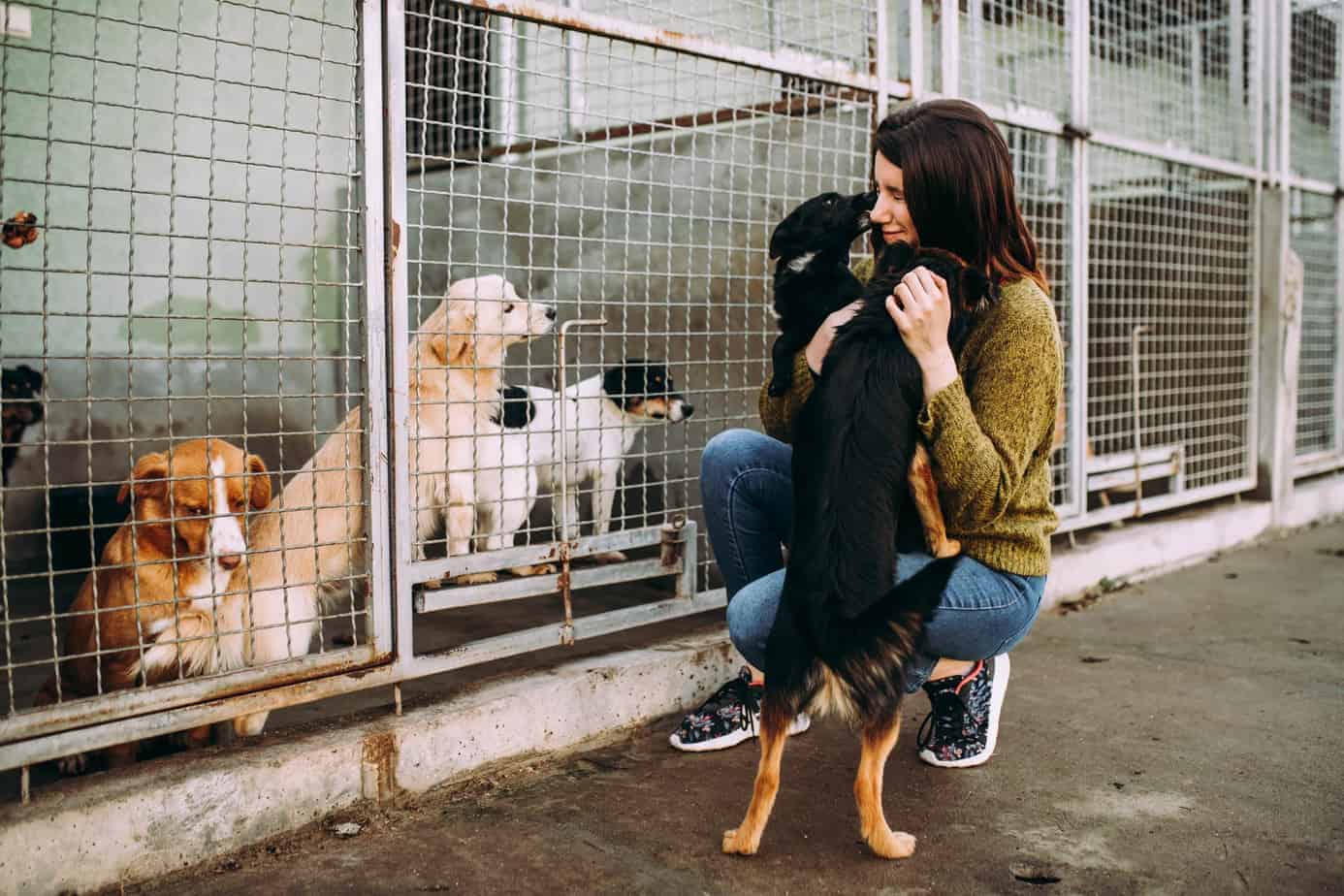
Shelter Dogs Are
Already Spayed or Neutered.
Spaying and neutering is a good idea for many
reasons. First, spaying or neutering your dog helps to control the pet
population, reducing overpopulation and enabling more animals to be adopted
into loving homes. Second, spaying/neutering your dog helps to reduce the risk
of certain diseases like reproductive cancers (mammary cancer in females,
testicular cancer in males) or prostate disease (enlarged prostate). Lastly, it
will also help you keep on track with your future plans for breeding if you’re
interested in that later on down the road.
It’s important to remember that there are
some health benefits associated with getting an intact animal sterilized before
he reaches sexual maturity (which is 6 months old for female dogs), so doing so
early can provide protection against unwanted pregnancies as well as reduce
some behaviors associated with sexual maturity such as marking territory by
urinating frequently indoors or mounting other animals when excited.
Breeder Puppies Will
Need Training—and So Will You
The first thing you should know about
training your new puppy is that it’s going to take time. A lot of time. It
won’t happen overnight, and it will take patience on both your parts—the dog’s
part being that he has to learn what you want him to do, which might not be
what he wants in the moment; and your part being that you have to teach him
those things without getting frustrated or angry when he doesn’t understand
them right away.
It will also take consistency: You need to set
a routine for him that includes regular training sessions, where he learns
commands like sit, stay, down (on his back), off (for grabbing something),
leave it (when someone else has something), come (when called). He needs
repetition so that each command is firmly imprinted as a habit within his
mind—so if there are three times when I tell him “stay” while I go into another
room but then only once when I actually mean stay put while I go get something
from another room, then only once will be imprinted in his brain as the rule
“stay means stay put while i get something else from another room!” This is why
it's important we don't forget these lessons ourselves!

Takeaway: Adopting a
shelter dog is easier, less costly, and more rewarding than buying a puppy from
a breeder.
But the bottom line is, adopting a shelter
dog is easier, less costly and more rewarding than buying a puppy from a
breeder. Most dogs in shelters were already trained, housebroken and spayed or
neutered before coming to their new homes. They are also older than puppies and
have had fewer medical problems or genetic issues because of the care they've
received in their shelters.
Conclusion
Adopting a shelter dog is a great idea for
many reasons. Your new pet will be your best friend, and you can enjoy all that
companionship without having to worry about the high costs and challenges of
raising a puppy. If you’re thinking about adding a furry friend to your family,
take some time to consider adopting one instead of buying one from a breeder or
pet store. You won’t regret it!
Comments
Post a Comment