5 Tips for Taking Your
Cat on a Trip to the Mountains
Have you
ever taken your cat on a trip to the mountains? If you have, you know that it's
a great experience for both of you. But if you haven't, here are some reasons
why you should try it!
-
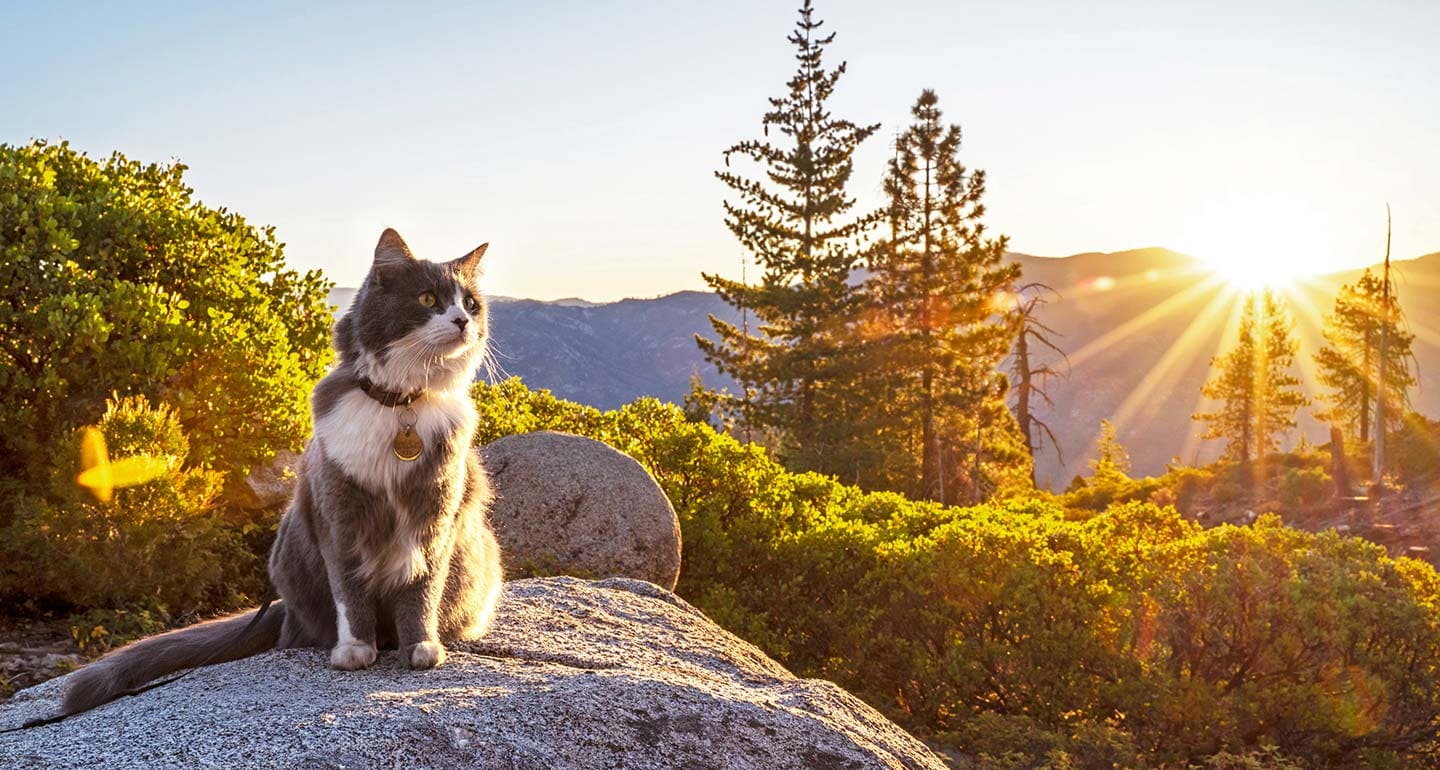
It's a bonding experience. Cats love going on adventures with their humans, and
they especially love seeing new sights and smells. Taking them on a trip like
this helps them feel more secure in the world around them, since they're
exploring something new with their trusted human right by their side.
-
It's good exercise! Because cats are small mammals, they don't get much
exercise just sitting around at home all day long—which is why they tend to be
pretty sedentary creatures. Taking them on hikes will get them moving around
and help keep them healthy!
-
They're less likely to get fleas or ticks if they're exposed to more natural
environments (like forests or grassland areas). Cats that live indoors are more
susceptible to these pests than those who spend time outside regularly, but
taking your cat hiking often can help prevent this from happening!
Taking
your cat on a trip to the mountains is a fun and exciting experience, but it
can also be stressful for both you and your feline companion.
Here
are five tips that will help make the trip safer and more enjoyable for
everyone involved:
1.
Make sure you pack some extra cat food in case your pet gets hungry during the
trip.
2.
Bring plenty of toys for your cat to play with while you're on the road; this
will help keep them from getting bored or anxious about being packed into a car
for so many hours at a time.
3.
If you're traveling with multiple cats, make sure they have their own seat belt
or harness so they don't get in each others' way while they're trying to sleep
or eat!
4.
Be sure to bring some water bowls along with some towels so that if your cat
gets sick on the road (or anywhere else), you'll be able to clean up after them
easily without having to find something else around first—just place one towel
under each bowl so nothing spills!
5.
Finally, be sure to take lots of pictures of your furry friend(s) on your
trip—they'll love seeing themselves on Instagram when they get home again
/cdn.vox-cdn.com/uploads/chorus_image/image/63573651/95B117CD_A30C_417A_8C2F_63464CB176C9.0.jpeg)
----
If
you're planning a trip to the mountains and you want to bring your cat along,
then you might be wondering what not to do.
It's
important not to make assumptions about how happy your cat will be being in the
mountains. Some cats love adventure, while others prefer to stay close to home.
If you have any doubts about whether or not your cat will enjoy this trip, then
it's best not to take them along.
As
well, there are some things that can make a trip more stressful for cats: high
altitude can make them feel sick, and they may not like being in a new place
with so many unfamiliar smells. If you have any concerns at all about whether
or not this is going to work out for your cat, then it's best not to take them
along.
Finally,
remember that cats are very sensitive creatures—they need their own space and
quiet time just as much as humans do! If you're bringing a cat along on this
adventure with you and expecting them to spend all day inside a car or in a
tent with other people around them, it will probably end up being stressful for
both of you. It's best not to take your cat
What other things are also
important
How do cats go to the bathroom on road
trips?
When
you're planning a road trip with your cat, the first thing you need to do is
make sure you have a litter box in the car. You can either use a disposable litter
box or bring along your cat's regular litter box. If you're using a disposable
litter box, be sure to put it in a place where your cat can easily access it.
Once
you have a litter box set up, it's time to start your journey. When you first
get in the car, give your cat a few minutes to adjust to the new environment.
Then, start driving.
If
your cat starts to use the litter box while you're driving, great! If not,
don't worry. There are a few things you can do to encourage your cat to use the
litter box on the road.
First,
try to keep the litter box in the same place throughout the trip. This will
help your cat get used to the idea of using the litter box in the car.
Second,
make sure you stop frequently so your cat can use the litter box. If you're
driving for long periods of time, you may want to consider pulling over every
few hours to let your cat out to use the litter box.
Finally,
don't forget to give your cat plenty of praise when he or she uses the litter
box on the road. This will help reinforce the positive behavior and make it
more likely that your cat will use the litter box on future road trips.

Can I give my cat Benadryl for travel?
Cats
are notorious for being finicky travelers. They may get anxious in the car, or
they may get sick to their stomach during a long plane ride. If your cat is
having trouble traveling, you may be wondering if you can give them Benadryl to
help them relax.
Benadryl
is a medication that is commonly used to treat allergies in humans. It can also
be used to treat motion sickness and anxiety. Benadryl works by blocking
histamine receptors. Histamine is a chemical that is released by the body in
response to an allergen. When histamine receptors are blocked, the symptoms of
an allergy are reduced.
Benadryl
is considered safe for cats when used as directed. The usual dose for cats is
1-2 mg per pound of body weight. You can give your cat Benadryl by mixing it
with a small amount of wet food or by placing it in a pill pocket.
If
you are considering giving your cat Benadryl, it is important to talk to your
veterinarian first. They can help you determine the correct dose and make sure
that there are no underlying health conditions that could be exacerbated by the
medication.
When taking a cat to the mountains, can
we allow our cat to hunt?
Yes,
we can!
Cats
are natural hunters. They have been domesticated for thousands of years, but
they still have the instincts that made them great hunters in the wild. Cats
are very territorial and will protect their territory from other animals
(including humans). It is important to remember that cats are not cuddly little
kittens all of their lives—they are predators by nature. If you take your cat
to the mountains, it is essential that you make sure your cat has plenty of
space to roam around and hunt for its own food.
There
are many humane ways to allow our cats to hunt. For example, we can put out a
mouse trap or use a live trap so we can release any prey after they have eaten
it. We can also buy toys that simulate a mouse's movement or even feed our cats
live mice if we want them to eat fresh meat instead of canned food.
Do I need to worry about my cat eating
her prey when I take my cat to the mountains?
It's
a beautiful day and you're out in the mountains with your cat, enjoying the
fresh air and the stunning scenery. But then you see your cat pounce on
something small and furry scurrying through the undergrowth. Your cat is
clearly enjoying the hunt, and you can't help but worry about what might happen
if she catches her prey.
You
might be wondering if you need to worry about your cat eating her prey when you
take her to the mountains. The truth is, it's unlikely that your cat will
actually catch and eat any prey while you're out hiking. Cats are notoriously
lazy hunters, and most of the time they just sit and watch their prey before
eventually giving up and going back to sleep.
However,
there are a few things to consider if you're concerned about your cat's hunting
habits.
First,
make sure that you're not inadvertently encouraging your cat to hunt by
providing her with a lot of food. If she's well-fed, she's less likely to be
motivated to hunt.
Second,
be aware of the types of prey that are available in the area you're hiking. If
there are few small mammals around, your cat is less likely to be successful in
her hunting attempts.
Finally,
keep an eye on your cat while she's hunting, and intervene if necessary. If she
does catch something, make sure she doesn't eat it - instead, give her a toy or
treat to distract her.
In
general, you don't need to worry too much about your cat hunting while you're
out in the mountains. Just be aware of the potential risks and take steps to
prevent them.
When taking my cat
to the mountains should I worry that my cat will fall prey to a larger animal?
Yes,
when you take your cat to the mountains you should worry that your cat will
fall prey to a larger animal. There are many dangers in the mountains for cats,
including predators such as coyotes, foxes, and even eagles. If you're planning
to take your cat hiking or camping in the mountains, it's important to be aware
of the risks and take steps to protect your feline friend.
Here are some tips to keep
your cat safe in the mountains:
1.
Keep your cat on a leash or in a carrier. This will help to prevent your cat
from running off and getting lost in the wilderness.
2.
Be aware of your surroundings. Keep an eye out for predators, and make sure
your cat has a safe place to hide if necessary.
3.
Keep your cat hydrated. Make sure to bring plenty of water for your cat to
drink, and consider packing some wet food as well.
4.
Don't let your cat roam too far. Stick to trails and areas that are
well-traveled, so you can keep an eye on your cat at all times.
5.
Be prepared for emergencies. If you're worried about your cat getting lost or
hurt in the mountains, it's a good idea to have a plan in place in case of an
emergency.
By
following these tips, you can help to keep your cat safe and sound on your next
mountain adventure.
What is the ideal
time for my cat to be outside?
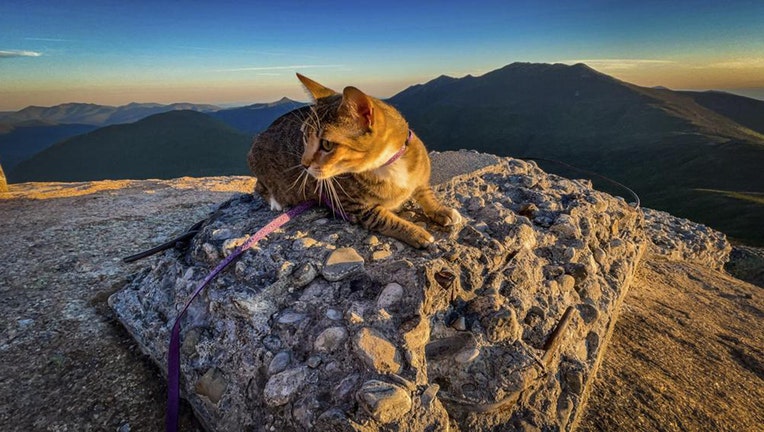
When
it comes to taking your cat on a mountain vacation, the key is to find the
perfect balance between giving them enough time to explore and keeping them
safe from potential dangers.
Ideally,
you should aim to keep your cat indoors during the hours when predators are
most active. For example, in the Rockies, mountain lions are most active at
dawn and dusk, so it's best to keep your cat indoors during those times.
During
the day, when mountain lions are less active, you can let your cat out to
explore under your supervision. Just be sure to keep an eye on them and bring
them back in if they venture too far away from your campsite.
In
general, the best time for your cat to be outside on a mountain vacation is
during the day, when predators are less active and there are plenty of things
for them to explore. Just be sure to keep an eye on them and bring them back in
at night to keep them safe.
How long is the
ideal vacation time with a cat to the mountains?
Have
you ever wondered how long the ideal vacation time with your cat would be to the
mountains? Well, we've got the answer for you!
The
ideal vacation time with your cat would be around 2-3 weeks. This would give
your cat plenty of time to explore and enjoy the outdoors, while also getting
plenty of rest and relaxation.
Of
course, every cat is different and some may prefer a shorter or longer
vacation. But, we think 2-3 weeks is the perfect amount of time for most cats.
So,
if you're looking for the perfect vacation spot for your cat, the mountains are
a great option!
We
hope you found these tips helpful and that they give you the confidence to take
your cat on some amazing adventures in the mountains. Remember to always take
care when planning any trip, and make sure your cat is comfortable and safe at
all times. Have fun and enjoy the experience!
Comments
Post a Comment